About SN121/232/322/244 CR121/232/322/244 rubber CR Chloroprene Rubber hot selling!
SKYPRENE Rubber - Key Benefits
- Resistance to weathering, both in dry and humid climates
- Excellent combustion behavior
- Good aging and heat resistance
- Good tensile strength, tear and wear resistance
- High dynamic fatigue resistance
- Resistance to water and a large number of chemicals over a long period
- Good adhesion to reinforcing substrates consisting of textiles, metals or glass fibers
- Resistance to fungi and soil bacteria
- Low gas permeability
Exceptional Mechanical Strength and FlexibilityWith a minimum tensile strength of 12 MPa and an outstanding 400% elongation at break, these CR rubbers offer robust mechanical properties. Their flexible yet resilient nature supports demanding industrial applications, from automotive seals to heavy-duty conveyor belts.
Reliable Chemical and Thermal ResistanceChloroprene rubber's excellent resistance to oil, ozone, and flames ensures durability in harsh environments. Its ability to operate continuously at temperatures up to 120C makes it ideal for high-performance usage in rigorous processing and manufacturing settings.
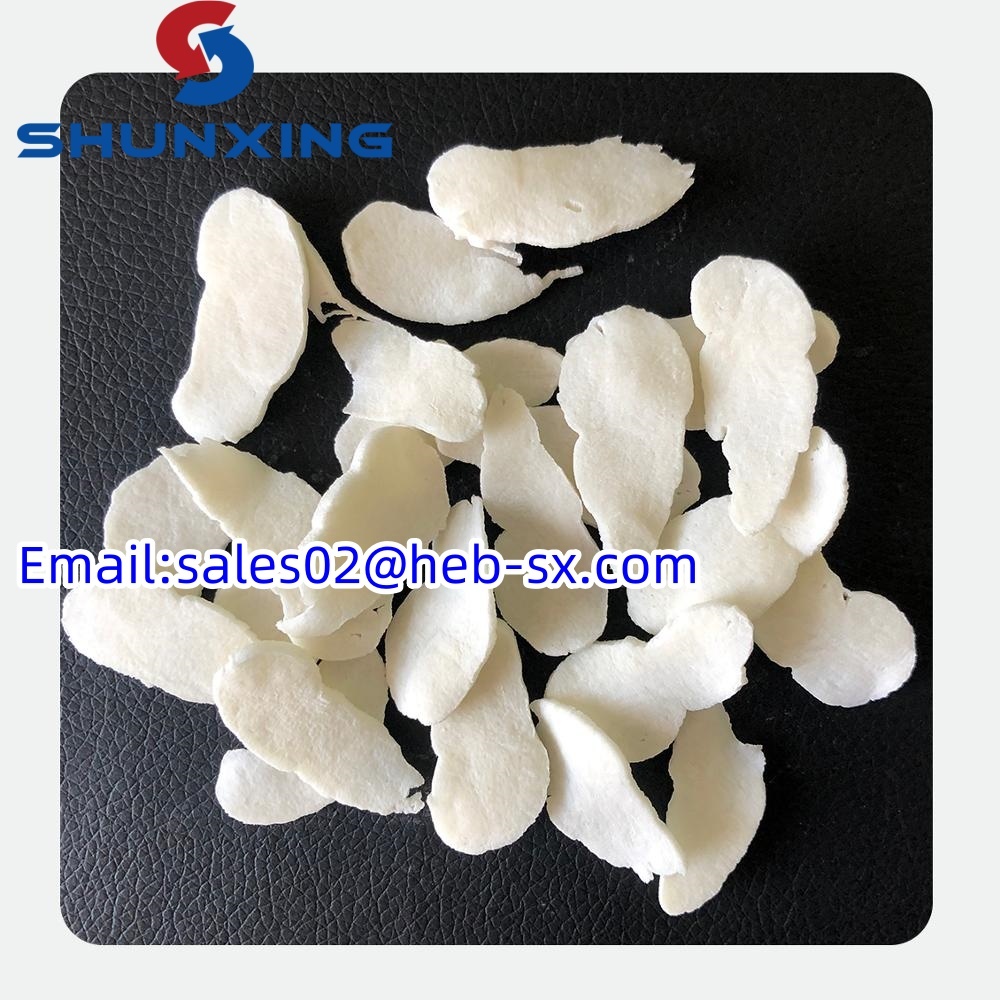
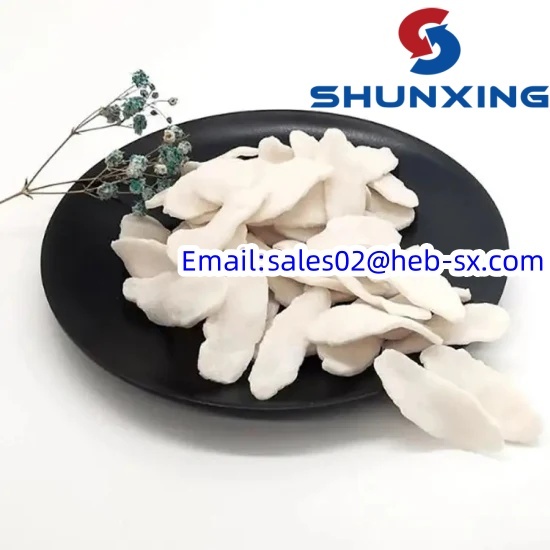
Versatile Applications and Easy CustomizationAvailable in natural or black and customizable in form, CR rubbers can be molded, extruded, or blended with various polymers and fillers. Their granule, chip, or sheet formats offer versatility for use as raw material in a wide range of products, enhancing design flexibility for manufacturers.
FAQ's of SN121/232/322/244 CR121/232/322/244 rubber CR Chloroprene Rubber hot selling!:
Q: How should SN121/232/322/244 or CR121/232/322/244 chloroprene rubber be stored for optimal performance?
A: To preserve material quality, store chloroprene rubber in a cool, dry environment, away from direct sunlight and sources of extreme heat. This prevents premature aging and maintains its mechanical and chemical properties.
Q: What are the main benefits of using CR Chloroprene Rubber in industrial applications?
A: CR rubber is highly valued for its exceptional oil, ozone, and flame resistance, as well as its mechanical strength and flexibility. These features make it suitable for seals, gaskets, conveyor belts, hoses, and more, enhancing product lifespan and reliability.
Q: When is it advisable to choose CR rubber over other synthetic rubbers?
A: CR rubber is especially recommended when your application requires excellent resistance to oil, ozone, or heat (up to 120C), combined with strong mechanical properties such as high tensile strength and elongation. These qualities often surpass those of other common synthetic rubbers.
Q: Where is CR121/232/322/244 most commonly applied?
A: This material finds extensive use in automotive parts, construction elements, industrial gaskets, seals, hoses, adhesive compounds, cables, and conveyor belts-areas demanding reliability and adaptability in challenging conditions.
Q: What forms and packaging options are available for SN121/232/322/244 CR rubber?
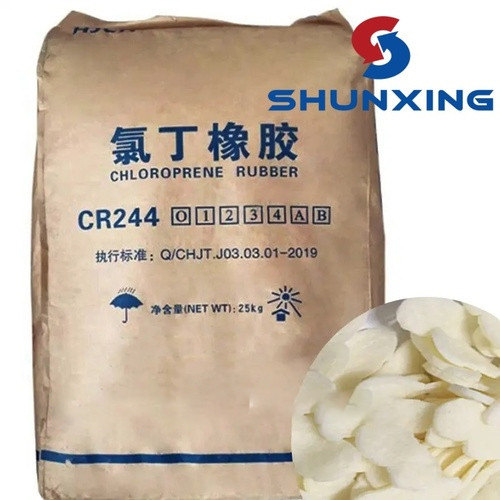
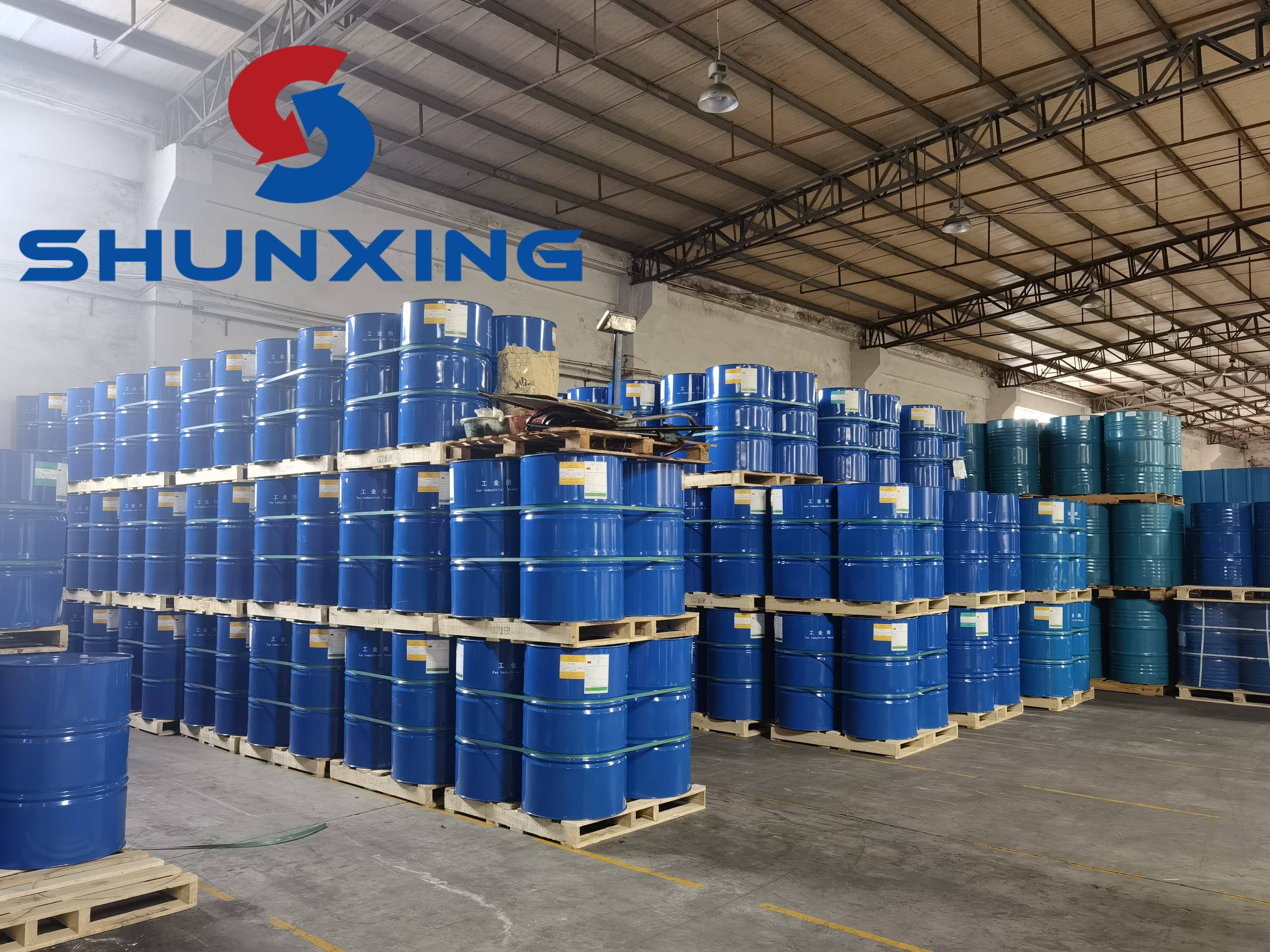
A: Supplied as granules, chips, or sheets, these materials are packaged in 25kg bags, with customization possible to meet specific requirements. This flexibility supports a variety of processing and manufacturing methods.
Q: How can CR rubber be incorporated into product manufacturing processes?
A: CR rubber can be used in extrusion, molding, compounding, or polymer blending. Its good compatibility with both metallic and non-metallic fillers allows manufacturers to tailor it for particular mechanical and chemical characteristics.






 Send Inquiry


 Send Inquiry