About Manufacturer Sodium Dodecyl Sulfate Powder K12 CAS 151-21-3
| CAS |
151-21-3 |
| Formula |
C12h25nao4s |
| Appearance |
Powder |
| Specification |
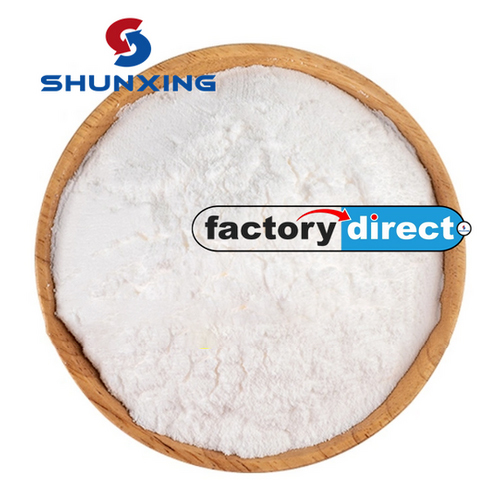
white powder or Needle Type |
| Quality |
Industrial |
| Purity |
99% |
Sodium dodecyl sulfateis a kind of anionic surfactant, belongs to the typical representative of sulfuric acid ester surfactant, SDS for short, also known AS, K12, coconut oil, alcohol, sodium sulfate, lauryl sodium sulfate, foaming agent, sales of the commodity on the market are usually white to light yellow crystalline powder, non-toxic, slightly soluble in alcohol, insoluble in chloro-form, ether, soluble in water, with anionic and non-ionic complex compatibility is good, It has good emulsification, foaming, foaming, penetration, decontamination and dispersion properties, rich foam, rapid biodegradation, but the degree of water solubility is inferior to the fatty alcohol polyoxyethylene ether sodium sulfate (AES).
Sodium dodecyl sulfate is the main component of dishwashing liquid. It is often used during DNA extraction to denature proteins and separate them from DNA.
Versatile Applications Across IndustriesSodium Dodecyl Sulfate (K12) serves as a key component in detergents, cleaning agents, emulsifiers, and industrial wetting agents, as well as being a standard reagent in laboratory protocols. Its high purity and stability allow for consistent performance across a variety of sectors, from manufacturing to scientific research. The powder form ensures ease of handling and precise dosing, which is crucial in both large-scale industrial and laboratory settings.
Excellent Foaming and CompatibilityWith outstanding foaming properties, K12 is favored in formulations requiring rich, stable lather such as shampoos and soaps. It is also compatible with various other anionic and nonionic surfactants, making it versatile in complex mixture systems. This compatibility enhances formulation flexibility and performance, catering to diverse process and product requirements.
Safe Handling and Environmental ConsiderationsAlthough Sodium Dodecyl Sulfate K12 is not classified as hazardous or poisonous, users should avoid inhalation of dust and store the product in a cool, dry, and tightly sealed environment. It is readily biodegradable, making it an environmentally responsible choice for manufacturers concerned with sustainability and compliance with ecological regulations.
FAQs of Manufacturer Sodium Dodecyl Sulfate Powder K12 CAS 151-21-3:
Q: How should Sodium Dodecyl Sulfate Powder K12 be stored for maximum shelf life?
A: To preserve quality and extend the shelf life to up to two years, keep the product in a tightly sealed bag in a cool, dry place, away from moisture and direct sunlight.
Q: What are the primary industrial and laboratory uses of Sodium Dodecyl Sulfate (K12)?
A: SDS K12 is widely utilized in detergents, wetting agents, emulsifiers, and as a standard reagent for protein and nucleic acid research in laboratories due to its strong surfactant properties.
Q: When should I use Sodium Dodecyl Sulfate K12 in formulations?
A: Utilize K12 when excellent foaming, high solubility, compatibility with other surfactants, and strong emulsifying or cleaning capabilities are required in your formulation or process.
Q: Where is Sodium Dodecyl Sulfate K12 most beneficial to incorporate?
A: This product is most advantageous in personal care products, industrial cleaning agents, and laboratory experiments where dependable surfactant performance and easy solubility are needed.
Q: What precautions should be taken during handling or processing?
A: During handling, avoid inhaling dust by using protective masks and ensure workspaces are well-ventilated. Always follow good chemical hygiene practices even though it is not classified as hazardous.
Q: What are the benefits of choosing this grade of Sodium Dodecyl Sulfate?
A: Benefits include high purity (99%), non-poisonous classification, ease of solubility, excellent foaming ability, and reliable performance, making it suitable for various high-standard industrial and research applications.






 Send Inquiry


 Send Inquiry