About Polybutadiene Diacrylate CAS 9003-17-2 Factory Supply
POLYBUTADIENE DIACRYLATE Quick Details
- Chemical name:POLYBUTADIENE DIACRYLATE
- CAS No. 9003-17-2
- Molecular Weight:54.09044
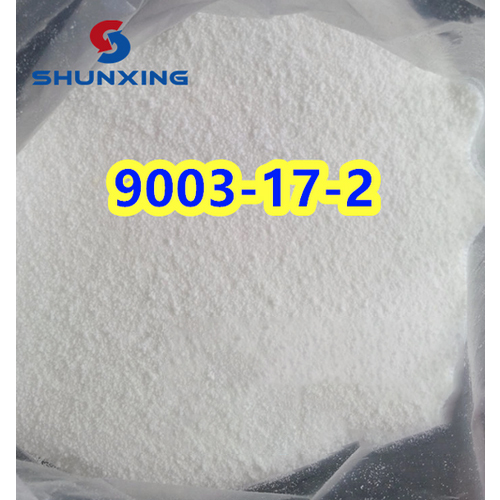
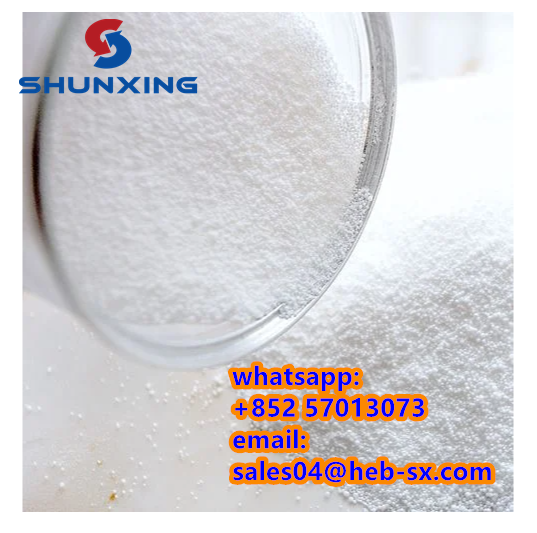
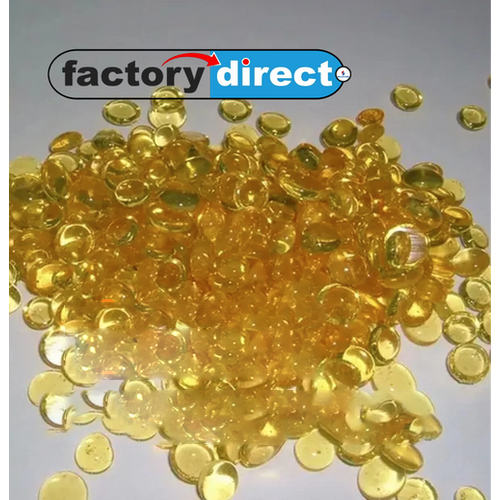
- Appearance: White Powder
- POLYBUTADIENE DIACRYLATE Description and Usage
Performance Butadiene rubber has high elasticity, low hysteresis loss and heat generation, low temperature, good fluidity in filling and in-mold, excellent wear resistance and flex resistance. However, the tensile strength is low, the wet skid resistance is poor, and the processing property is poor. The product is white or yellowish.
Use:BR9000 is a general-purpose non-oil-filled synthetic rubber that can be used in combination with natural rubber and other synthetic rubbers. Widely used in the manufacture of tires, hoses, tapes, seals, soles and other rubber products.
Versatile Crosslinking Agent for Industrial ApplicationsPolybutadiene Diacrylate serves as an efficient crosslinking agent in the manufacturing of adhesives, coatings, and inks. Its compatibility with various organic solvents enhances its utility in diverse polymer formulations. Its high purity and stability make it a reliable ingredient for industrial processes requiring enhanced durability and flexibility in end products.
Safe Handling and Reliable Shelf LifeThis product is classified as non-hazardous under GHS standards and exhibits a high flash point (>120C), ensuring safe handling during transport and storage. With a shelf life of 12 months when stored in unopened containers in cool, dry, and ventilated areas, Polybutadiene Diacrylate maintains its properties and performance for long-term industrial use.
FAQ's of Polybutadiene Diacrylate CAS 9003-17-2 Factory Supply:
Q: How should Polybutadiene Diacrylate be stored to maximize its shelf life?
A: To preserve its stability and shelf life, keep Polybutadiene Diacrylate in tightly closed containers stored in a cool, dry, and well-ventilated area, away from heat, sparks, or open flames. Unopened containers maintain product integrity for up to 12 months.
Q: What is the typical process for polymerizing Polybutadiene Diacrylate?
A: Polybutadiene Diacrylate can be polymerized either by ultraviolet (UV) light or with free radical initiators. These methods enable efficient crosslinking in coatings, adhesives, and ink formulations, resulting in robust, flexible materials.
Q: When should I choose Polybutadiene Diacrylate over other crosslinkers?
A: Choose Polybutadiene Diacrylate when you require a crosslinker with high purity, low monomer content, broad solvent compatibility, and strong performance in applications like adhesives, coatings, and polymer composites.
Q: Where can Polybutadiene Diacrylate be used in industrial production?
A: It is widely used in the production of adhesives, protective coatings, printing inks, and as a crosslinking agent in various polymer systems, offering enhanced durability and elasticity to the final products.
Q: What packaging options are available for your Polybutadiene Diacrylate supply?
A: The product is available in standard 25kg or 200kg drums. Customized packaging can be arranged upon request to accommodate specific transportation or storage needs.
Q: How does Polybutadiene Diacrylate benefit polymer formulations?
A: Due to its acrylate functionality and polybutadiene backbone, this material imparts excellent flexibility, chemical resistance, and crosslinking efficiency, improving the mechanical properties and lifespan of polymer-based products.
Q: What safety and environmental considerations are there when using this product?
A: Polybutadiene Diacrylate is not classified as hazardous or poisonous under GHS criteria. It is odorless with a mild characteristic scent and should be handled with standard industrial safety practices to prevent contact with ignition sources.






 Send Inquiry


 Send Inquiry