About Htpb CAS 69102-90-5 Hydroxyl Terminated Polybutadiene (HTPB polymer)
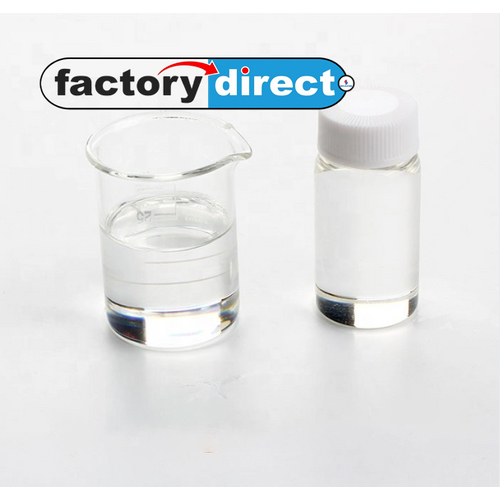
HTPB is a liquid remote claw polymer, the new liquid rubber.It and chain extension agent, crosslinking agent in room temperature or high temperature reaction can generate 3D network structure of curing content.The curing content has excellent mechanical properties, especially good resistance to hydrolysis, acid and alkali resistant, wear resistance, low temperature resistance and excellent electrical insulation.
Versatile Industrial PerformanceHTPB's unique polymeric structure and high hydroxyl functionality deliver excellent binding and film-forming properties across industries. It is widely employed in the development of solid rocket propellants and advanced sealing and adhesive products. Its resistance to moisture, high purity, and compatibility with diverse fillers and cross-linkers enhance its appeal in both defense and civil sectors.
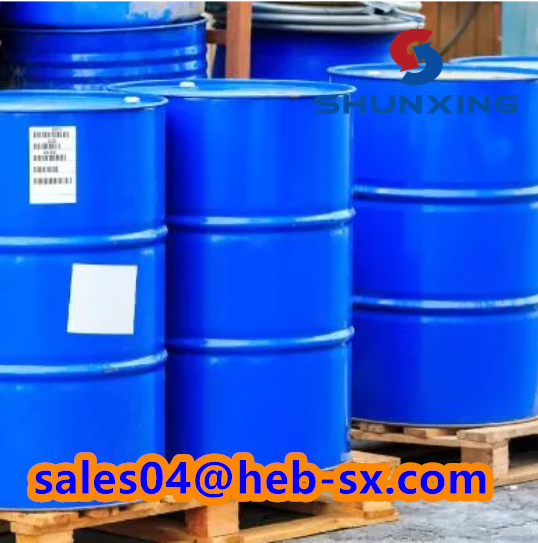
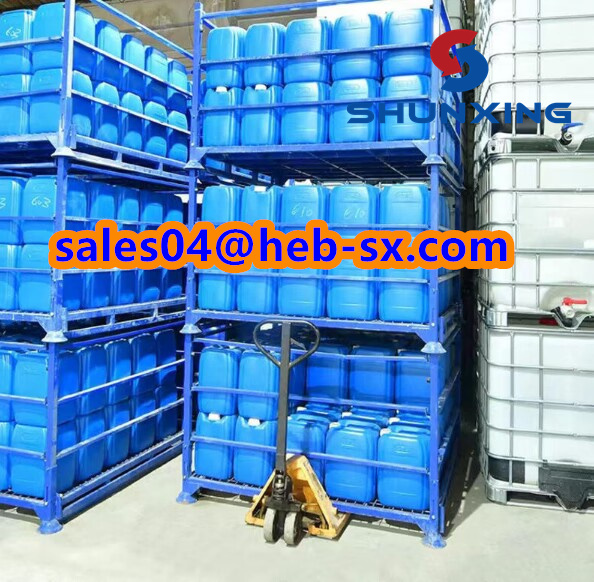
Handling, Storage, and SafetyTo maximize shelf life, store HTPB in tightly sealed containers within cool, dry, and well-ventilated conditions, away from direct heat and sunlight. This non-poisonous, odorless polymer should be handled with standard safety precautions. Its flash point above 180C offers a high safety margin during routine processing and storage tasks.
FAQ's of Htpb CAS 69102-90-5 Hydroxyl Terminated Polybutadiene (HTPB polymer):
Q: How is Hydroxyl Terminated Polybutadiene (HTPB) typically used in industries?
A: HTPB functions as a binder and prepolymer, primarily in the manufacture of solid rocket propellants, but it is also used extensively in sealants, adhesives, coatings, and for polymer modification due to its crosslinking ability and chemical reactivity.
Q: What benefits does HTPB offer for solid rocket propellant formulations?
A: HTPB provides excellent mechanical flexibility, chemical stability, and high binding efficiency when used in solid rocket propellants. Its uniform polymeric structure and high purity enable reliable, high-performance energetic materials.
Q: Where should HTPB be stored for optimal longevity and performance?
A: HTPB should be kept in tightly sealed containers, placed in cool, dry, and well-ventilated environments away from heat sources and sunlight. Proper storage extends its shelf life to 12-24 months.
Q: When is HTPB unsuitable for use?
A: HTPB should not be used if it has been exposed to excessive moisture, heat, or if there are noticeable physical changes such as discoloration or phase separation beyond its shelf life, as these factors can affect its reactivity and performance.
Q: What processes are used to incorporate HTPB in adhesives and coatings?
A: HTPB is dissolved in appropriate organic solvents and combined with crosslinkers or curatives to form reactive prepolymer systems. These systems are then applied as adhesives or sealants, which cure upon exposure to air, heat, or catalysts.
Q: How does HTPB's solubility profile affect its applications?
A: Being soluble in organic solvents like toluene and benzene but insoluble in water, HTPB is easily formulated into systems requiring homogeneous mixing and moisture resistance, making it ideal for specialized coatings and sealants.






 Send Inquiry


 Send Inquiry