About CAS No 127-19-5 HPLC Grade N, N-Dimethylacetamide (DMAC) 99.90%
Colorless transparent liquid. It can be mixed with organic solvents such as water, alcohol, ether, ester, benzene, trichloromethane and aromatic compounds.
N, n-dimethylacetamide, also known as acetyl dimethylamine, acetyl dimethylamine, referred to as DMAC, is an aprotic highly polar solvent, with a slight ammonia odor, strong solubility, a wide range of soluble chemicals, can be miscible with water, aromatic compounds, esters, ketones, alcohols, ethers, benzene and trichloromethane, etc. And can activate the compound molecules, so it is widely used as a solvent and catalyst.
High Purity, Analytical Grade SolventN,N-Dimethylacetamide (DMAC) at 99.90% purity ensures consistent results in sensitive analytical methods such as HPLC. Its low water (0.05%) and acidity (0.001%) content guarantee minimal interference, while its high UV transparency allows for precise and accurate detection in chromatographic analyses.
Versatile Solubility and Practical ApplicationsDMAC is fully miscible with water, aromatics, ketones, esters, ethers, and hydrocarbons, making it a universal solvent for pharmaceuticals, polymer production, and various chemical reactions. It is especially esteemed for laboratory and industrial settings that require high-performance solvents for demanding applications.
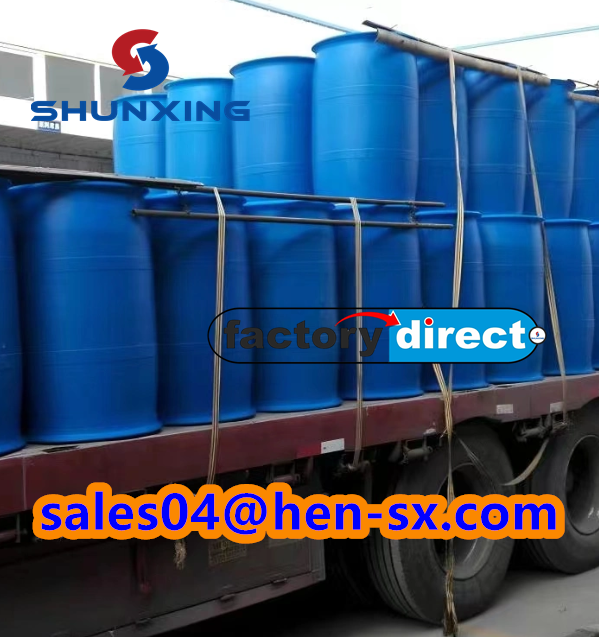
Safe Handling and Long Shelf LifeWith a shelf life of up to 24 months when stored properly, DMAC is supplied in sealed, chemical-resistant packaging. Users must adhere to safety precautions, as DMAC is toxic if ingested or inhaled. A cool, dry, ventilated storage space protects product quality and ensures operational safety.
FAQ's of CAS No 127-19-5 HPLC Grade N, N-Dimethylacetamide (DMAC) 99.90%:
Q: How should N,N-Dimethylacetamide (DMAC) be stored to maintain its quality?
A: DMAC should be kept in sealed, chemical-resistant containers in a cool, dry, and well-ventilated area, protected from direct sunlight. Following these storage guidelines will help maintain its high purity and extend its shelf life up to 24 months.
Q: What is the process for utilizing DMAC in HPLC applications?
A: To use DMAC for HPLC, ensure the solvent is filtered and free from particulates. Its high purity and UV transparency make it suitable as a mobile phase or sample diluent in chromatographic analyses, allowing for accurate detection with minimal background interference.
Q: When is DMAC typically used in pharmaceutical and polymer industries?
A: In pharmaceuticals, DMAC acts as a solvent for drug synthesis and formulation. In polymer production, it's used to dissolve resins and as a reaction medium. Its strong solvency power and chemical stability make it a preferred choice at various manufacturing stages.
Q: Where can DMAC be applied outside of analytical laboratories?
A: Beyond laboratories, DMAC is widely used in industries such as pharmaceuticals, polymer manufacturing, and other chemical processes, owing to its broad solubility and effectiveness as a reaction or extraction medium.
Q: What benefits does HPLC-grade DMAC offer over standard solvents?
A: HPLC-grade DMAC is characterized by higher purity, extremely low water and acidic contents, and superior UV transparency. These features minimize background noise in analytical instruments, enhancing accuracy and reproducibility in results.
Q: Is DMAC safe to use, and what precautions should be observed?
A: DMAC is toxic if ingested or inhaled and should only be handled using proper safety equipment in well-ventilated environments. Users should employ appropriate personal protective equipment and adhere to regulatory safety protocols for toxic chemicals.
Q: How is DMAC packaged for distribution, and what sizes are available?
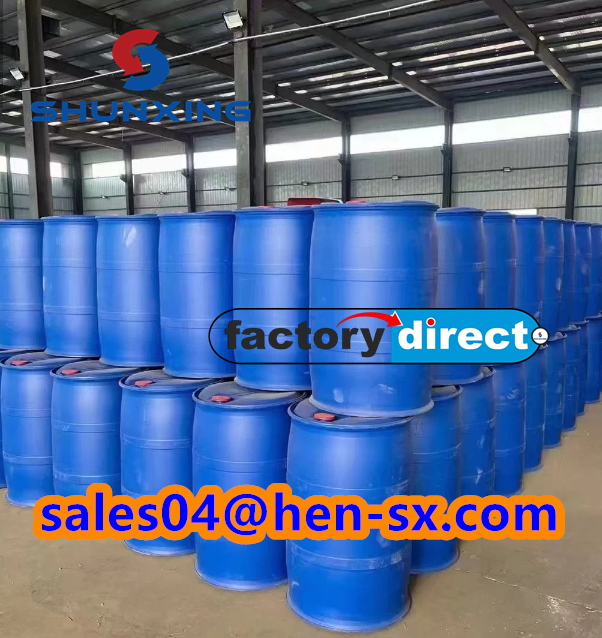
A: DMAC is supplied in sealed, chemical-resistant containers designed to prevent contamination and maintain purity. Sizes and packaging options vary depending on supplier and order specifications, typically accommodating laboratory scale to industrial quantities.






 Send Inquiry


 Send Inquiry