About Isopropyl Alcohol for Hand Sanitizer (IPA) CAS 67-63-0
Isopropanol (IPA), also known as 2-propanol, is an organic compound with the chemical formula of C3H8O. It is an isomer of n-propanol. It is a colorless transparent liquid with the smell of a mixture of ethanol and acetone. It is soluble in water, alcohol, ether, benzene, chloroform and other organic solvents. Isopropanol is an important chemical product and raw material, which is mainly used in pharmaceuticals, cosmetics, plastics, spices, coatings, etc.
As chemical raw materials, it can produce acetone, hydrogen peroxide, methyl isobutyl ketone, diisobutyl ketone, isopropylamine, isopropyl ether, isopropyl chloride, fatty acid isopropyl ester and chlorinated fatty acid isopropyl ester, etc.
As a solvent, it is a relatively cheap solvent in industry. It has a wide range of uses. It can freely mix with water. It has a stronger solubility for lipophilic substances than ethanol. It can be used as a solvent for nitrocellulose, rubber, coatings, shellac, alkaloids, etc.
In the electronic industry, it can be used as a cleaning and degreasing agent.
In the oil industry, the extractant of cotton seed oil can also be used for degreasing of animal derived tissue membranes.
- Melting point -89.5 C
- Boiling point 82.5 C
- Molecular weight 60.095
- Density 0.7855 g/cm3
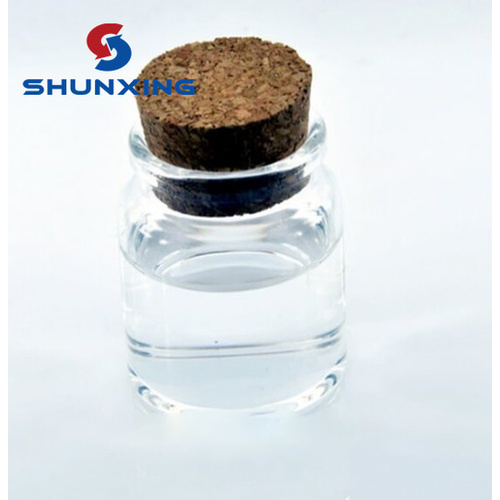
- Appearance Colorless Transparent Liquid
- Application Mainly used in pharmacy, cosmetics, plastics, spices, coatings, etc
- Flash point 11.7 C(CC)
- Water solubility soluble
Versatile Sanitizer and DisinfectantIsopropyl Alcohol is renowned for its versatility in hygiene and sanitation. As the key ingredient in hand sanitizers, it functions effectively as an antiseptic and cleaning agent, swiftly neutralizing bacteria and viruses. Its broad compatibility makes it ideal across pharmaceutical, cosmetic, and industrial sectors, ensuring efficiency and safety in a variety of applications.
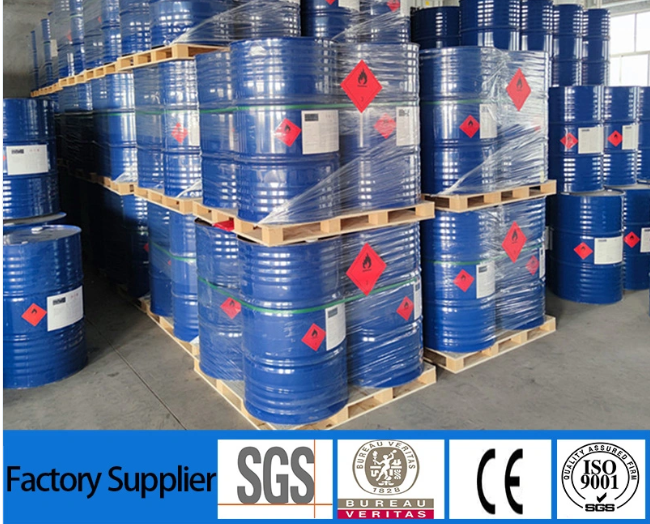
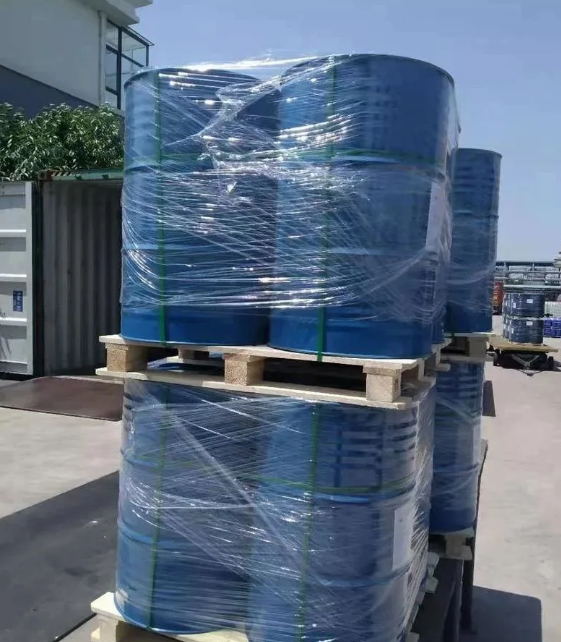
Safe Handling and StorageDue to its flammable nature-flash point at 12C and high vapor pressure-isopropyl alcohol must be handled with caution. Proper storage requires a cool, dry, and well-ventilated place, away from heat, sparks, and open flames. Utilizing HDPE drums or IBC tanks ensures product integrity during transport and storage. Adhering to recommended storage conditions maintains product efficacy for up to two years.
FAQ's of Isopropyl Alcohol for Hand Sanitizer (IPA) CAS 67-63-0:
Q: How is isopropyl alcohol (IPA) used in hand sanitizer applications?
A: IPA serves as the main active component in hand sanitizers, typically at concentrations of 60-80%, killing a broad spectrum of bacteria and viruses through protein denaturation and cell membrane disruption. It is applied topically to sanitize hands effectively without the need for water.
Q: What safety precautions should be taken when handling isopropyl alcohol?
A: Due to its low flash point (12C) and flammable vapors, IPA should be used in well-ventilated areas, away from ignition sources. Personal protective equipment such as gloves and eye protection is recommended. In case of skin or eye contact, rinse thoroughly with water.
Q: When does isopropyl alcohol expire and how should it be stored?
A: Isopropyl alcohol maintains efficacy for up to two years if stored in tightly sealed containers in a cool, dry, and well-ventilated area, away from heat, sparks, and open flames. Always check the product label for the specific expiration date.
Q: Where can isopropyl alcohol be applied besides hand sanitizers?
A: Beyond hand sanitizers, IPA is commonly employed as a disinfectant for surfaces, a solvent in industrial and cosmetic manufacturing, a cleaning agent for electronics, and as an antiseptic for minor wounds, making it a highly versatile chemical.
Q: What materials are compatible or incompatible with isopropyl alcohol?
A: IPA is generally compatible with most materials but should be kept away from strong oxidizing agents, which can cause hazardous reactions. Packaging in HDPE drums or IBC tanks is standard practice for ensuring material safety and containment.
Q: How does the evaporation rate and odor of IPA affect its use in sanitation?
A: With a moderate evaporation rate (1.5 relative to butyl acetate) and a characteristic alcoholic odor, IPA dries quickly on surfaces, leaving no residue. This quality is beneficial for sanitizing applications, offering fast action and minimal lingering scent.
Q: What are the first aid measures in case of accidental exposure to IPA?
A: If IPA comes in contact with skin or eyes, rinse affected area thoroughly with water. Move to fresh air if vapors are inhaled. If ingested, seek immediate medical attention; do not induce vomiting.






 Send Inquiry


 Send Inquiry