About CAS 9002-89-5 Polyvinyl Alcohol/PVA 0588 1788 2488 2688 1799 2099 2699 Used for Vinylon Fiber
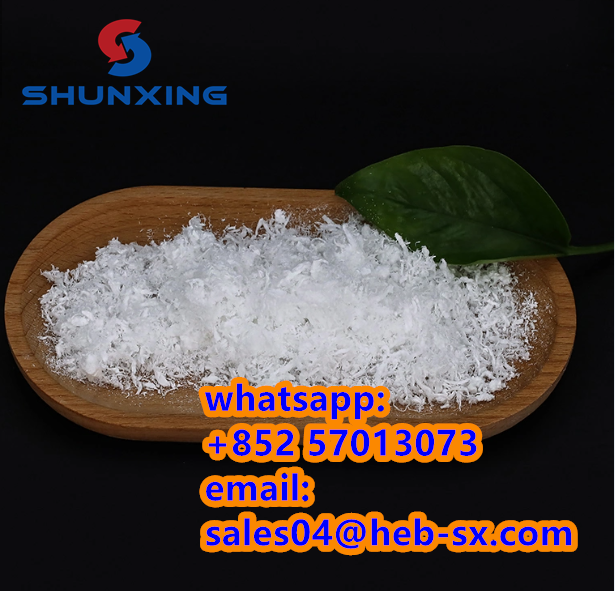
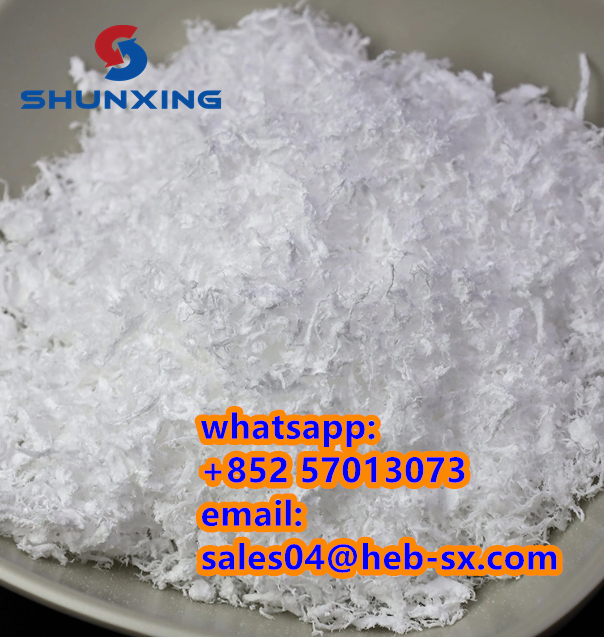
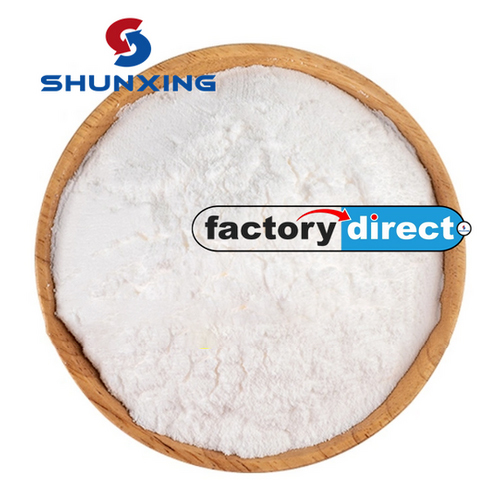
PVA / Polyvinyl Alcohol Powder is a water-soluble polymer, Non-toxic,insipid and non polluting; Good chemical Stability. Good adhesion;Film-forming ability; Insulation;Oil Resistance; Abrasion resistance; Gas Barrier Properties.It is fit to be architecture mo-tar additives.
Versatile and Reliable PolymerPolyvinyl Alcohol (PVA) stands out for its exceptional versatility and reliable performance in chemical fiber production, including vinylon fiber manufacturing. It boasts high compatibility with both natural and synthetic resins, excellent film-forming properties, and a strong safety profile. With a robust hydrolysis selection and various viscosity grades, it addresses diverse industrial needs while remaining non-toxic and environmentally friendly.
Industrial Applications and BenefitsPVA is widely used as a key material in the chemical fiber industry, textile sector, and as an adhesive or sizing agent. Its high water solubility and superior stability make it invaluable in processes requiring strong bonding and film formation. The biodegradable nature of PVA further contributes to its appeal as a sustainable solution for manufacturers and exporters.
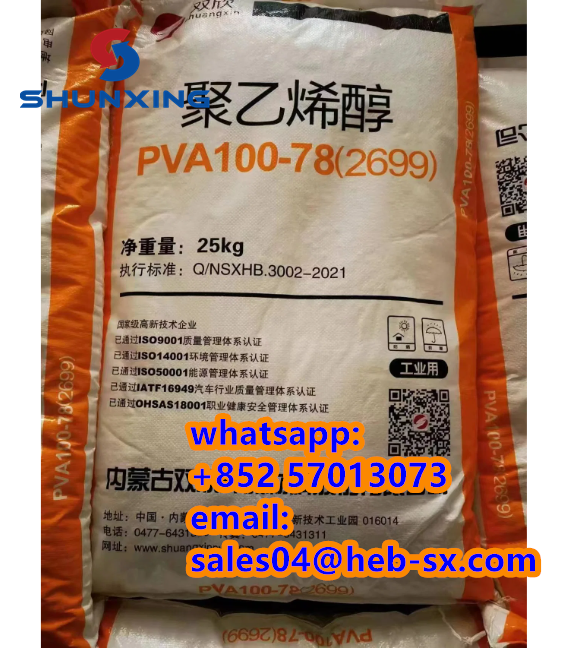
Safe Handling and Storage RecommendationsPolyvinyl Alcohol should be stored in cool, dry, and well-ventilated areas to maintain its quality and prolong shelf life. Packaged typically in 25kg bags, it remains stable under normal storage conditions but should be protected from strong acids and bases. Proper storage ensures at least 12 months of optimal usability, supporting consistent industrial operations.
FAQ's of CAS 9002-89-5 Polyvinyl Alcohol/PVA 0588 1788 2488 2688 1799 2099 2699 Used for Vinylon Fiber:
Q: How is Polyvinyl Alcohol (PVA) used in vinylon fiber manufacturing?
A: PVA serves as the principal raw material for producing vinylon fiber due to its excellent film-forming ability, water solubility, and compatible chemical structure, which allow for efficient fiber spinning and strong end-product performance.
Q: What are the available viscosity grades of PVA, and how should they be chosen?
A: The main viscosity grades include 0588, 1788, 2488, 2688, 1799, 2099, and 2699. Selection depends on the desired application; lower viscosities suit coatings and adhesives, while higher grades are preferred for fiber spinning and textile processing.
Q: What are the benefits of using fully hydrolyzed versus partially hydrolyzed PVA?
A: Fully hydrolyzed PVA (98%) provides higher water resistance and stronger films, ideal for fiber and film applications, whereas partially hydrolyzed types (87-89%) dissolve more readily in cold water, offering flexibility in specific textile or adhesive processes.
Q: Where is the optimal storage location for Polyvinyl Alcohol?
A: PVA should be stored in a cool, dry, and well-ventilated place, away from strong acids and bases, to maintain product stability and prevent degradation, ensuring a minimum shelf life of 12 months.
Q: What is the process for dissolving PVA in industrial applications?
A: PVA should be gradually added to water under constant stirring and heat, avoiding clumps, until fully dissolved. The optimal dissolution temperature and method depend on the degree of hydrolysis and viscosity grade selected.
Q: What are the safety and environmental benefits of using PVA?
A: Polyvinyl Alcohol is non-toxic, odorless, tasteless, and biodegradable under proper conditions, making it a safe and eco-friendly choice for industrial and chemical applications.






 Send Inquiry


 Send Inquiry