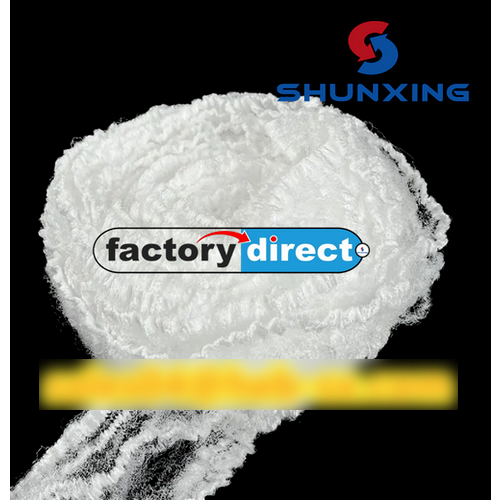
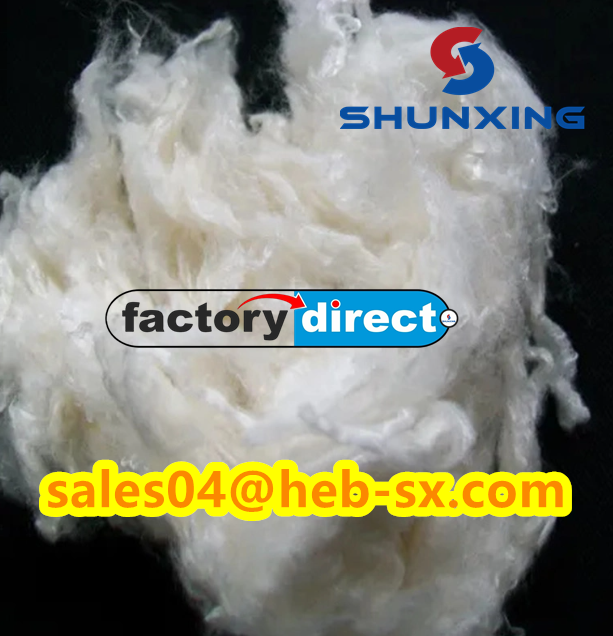
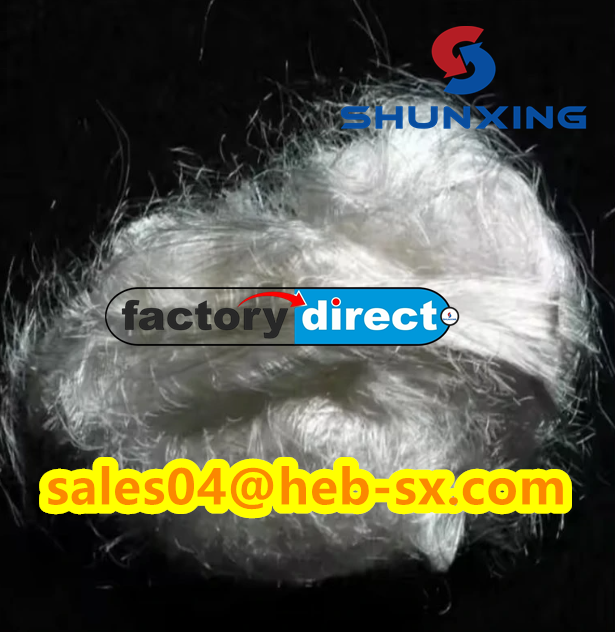
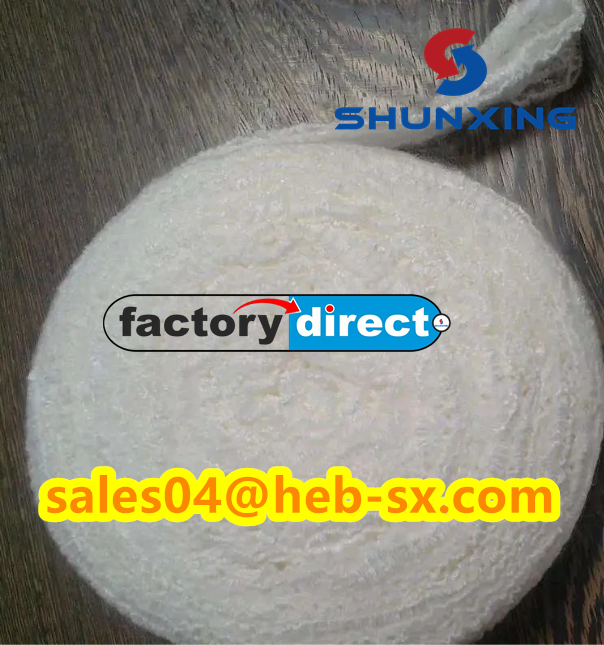
About Factory Supply Acetate Tow 4y35000 3y30000 Polylactic Acid Fiber
Celloluse Diacetate Tow is the major raw material in producing filter rods of ci-ga-rette.
After a processing system of stretching, gathering, setting the shape and then being wrapped by tissue paper, at last the filter rod is made according to customers requirements on specification.
The filter rod used for ci-gar-ettes can greatly reduce the hazardous material such as tar and nic-otine, meantime the taste and aroma of the exquisite bouquet of tob-acco is well preserved.
Owing to it is clean, no unwanted smell, has a steady chemical structure and a good filtration effects, its very popular by ciga-ette manufacturers in the world.
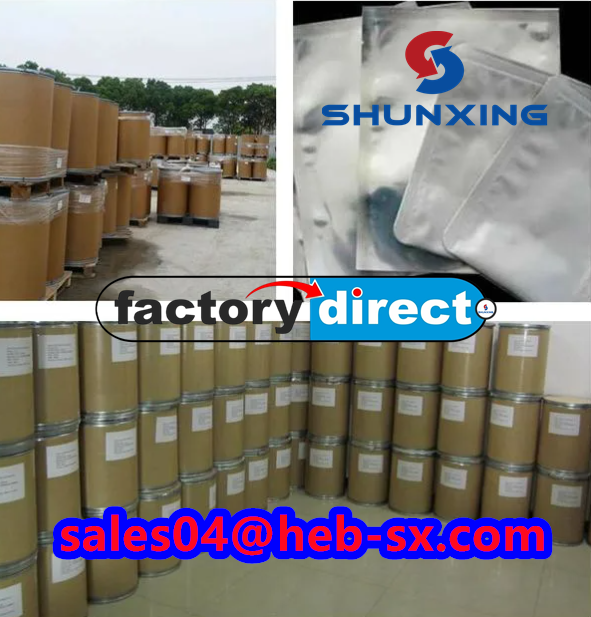
High-Quality Fiber for Technical ApplicationsOur acetate tow and polylactic acid fiber are engineered to meet demanding standards across industries. With high tensile strength, customizable packaging, and strict moisture controls, this product is an outstanding choice for rigorous filtration, textile manufacturing, and medical textile usage. Rely on our tow/fiber products for consistent performance and industrial versatility.
Superior Material Properties for PerformanceOffered as continuous filaments in white color, these fibers maintain stability up to their melting point and remain insoluble in waterensuring longevity in technical applications. Selected for their purity (99%), neutral pH, and density of 1.35 g/cm, these materials are ideal where strength and reliability are paramount. Their odorless nature and solid form further improve user safety and product consistency.
FAQs of Factory Supply Acetate Tow 4y35000 3y30000 Polylactic Acid Fiber:
Q: How should acetate tow and PLA fiber be stored for optimal quality?
A: Store both acetate tow and polylactic acid (PLA) fiber in dry, cool conditions, avoiding direct sunlight. Proper storage preserves their physical properties and prevents moisture-related degradation.
Q: What are the primary applications of this fiber product?
A: This fiber is widely used in manufacturing cigarette filters, nonwoven fabrics, technical textiles, and medical textiles. Its superior filtration and strength properties make it suitable for various industrial-grade applications.
Q: When is it beneficial to use PLA fiber instead of acetate tow?
A: PLA fiber should be chosen when biodegradability is a priority, such as for environmentally friendly filtration or textile products. In contrast, acetate tow offers durability but is not compostable.
Q: Where are these fibers most commonly utilized?
A: These fibers are commonly utilized in the filtration industry, medical textile manufacturing facilities, and nonwoven textile production plants due to their strength, purity, and versatility.
Q: What is the process for integrating this fiber into textile production?
A: The fiber, delivered as continuous filaments, can be directly processed in technical textile machinery to form nonwoven mats, woven fabrics, or filtration products, depending on the desired end use.
Q: What are the benefits of using this product in technical applications?
A: Users benefit from high tensile strength, thermal stability, and chemical resistance. Additionally, its customizable packaging and purity enhance consistency and simplify integration into diverse manufacturing processes.






 Send Inquiry


 Send Inquiry