About Factory Price 4 4-Isopropylidenedicyclohexanol Hbpa Hydrogenated Bisphenol A CAS 80-04-6
CAS: 80-04-6
Purity: 99%
4,4'-Isopropylidenedicyclohexanol (HBPA ) is the main raw material for the production of unsaturated polyester resins and epoxy resins. The products are used in high-end markets such as automotive coatings, electronic packaging materials and aerospace materials.
Versatile Industrial Applications4,4-Isopropylidenedicyclohexanol (HBPA) is widely utilized in the manufacturing of advanced polymer materials. It acts as a crucial raw material for epoxy resins, polycarbonates, and polyesters, making it vital in applications such as coatings, adhesives, and electrical insulation materials. Its robust physical properties help enhance the performance and durability of finished products.
High Purity and ConsistencyManufactured to rigorous industrial standards, HBPA offers a minimum 99% purity, negligible heavy metals content (<10 ppm), and low moisture levels (0.1%). This makes it a dependable and consistent component for high-performance industrial uses, ensuring safety and efficiency during processing.
Safe Handling and StorageHBPA is non-poisonous and stable at room temperature. For optimal quality, store it in a cool, dry place in its original, unopened packaging. The chemical remains stable for up to two years under these conditions, minimizing waste and ensuring consistent supply for industrial operations.
FAQ's of Factory Price 4 4a2-Isopropylidenedicyclohexanol Hbpa Hydrogenated Bisphenol A CAS 80-04-6:
Q: How is 4,4-Isopropylidenedicyclohexanol (HBPA) typically used in industrial applications?
A: HBPA is mainly used as an intermediate in the production of epoxy resins, polycarbonates, and polyesters. It finds applications in coatings, adhesives, and as an electrical insulation material, due to its excellent compatibility and stability.
Q: What are the benefits of using HBPA in polymer manufacturing?
A: Using HBPA enhances thermal stability, moisture resistance, and overall durability in polymer products. It is preferred for high-performance resins and materials requiring reliable structural properties.
Q: Where should HBPA be stored to maintain its quality?
A: Store HBPA in a cool, dry area with the container tightly closed, away from moisture. Proper storage ensures the product remains stable and effective for up to two years in its original unopened packaging.
Q: What is the minimum order quantity and typical packaging for HBPA?
A: The minimum order quantity for HBPA is 25 kg, and it is typically supplied in 25 kg bags, though custom packaging is also available upon request to fit various industrial needs.
Q: How does the appearance and physical form of HBPA facilitate its use?
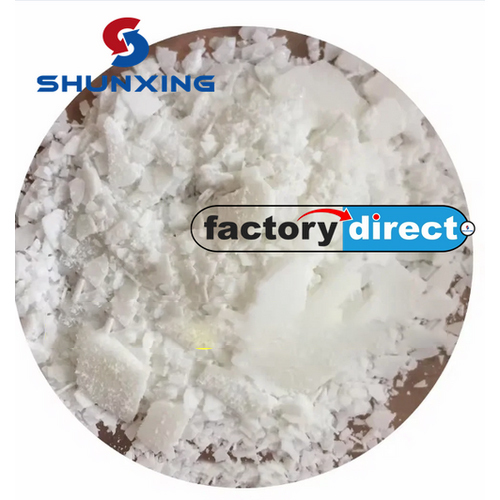
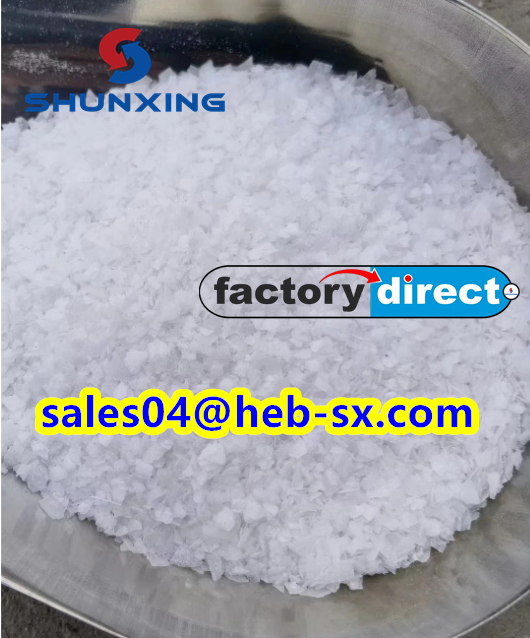
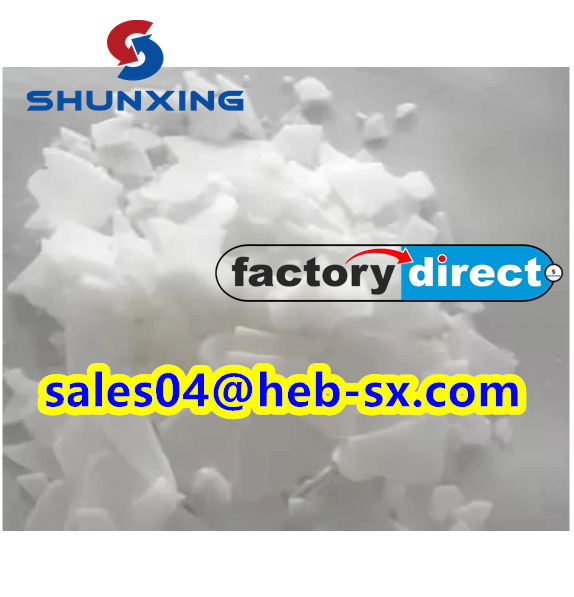
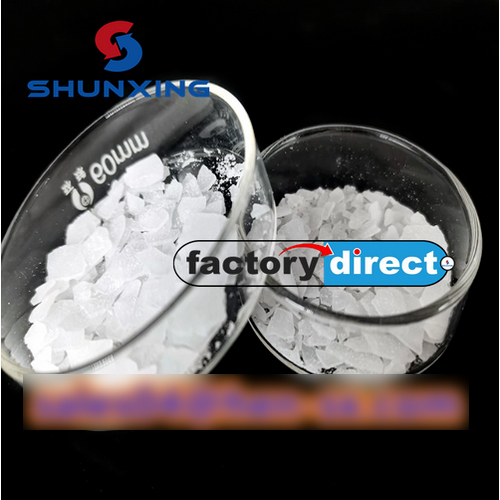
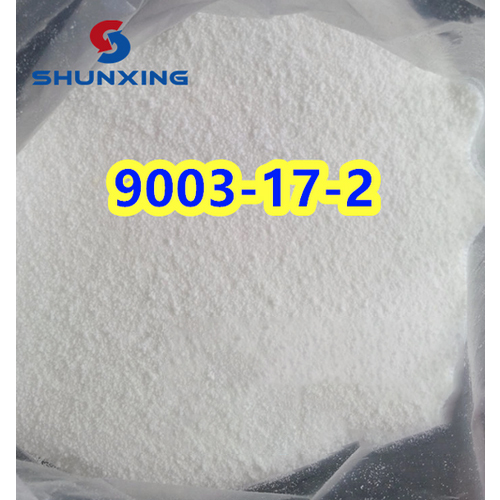
A: HBPA is available as a white crystalline powder or flakes, which are easy to handle, measure, and dissolve in standard organic solvents like acetone, benzene, and toluene, facilitating smooth integration into industrial manufacturing processes.
Q: What safety precautions should be considered when working with HBPA?
A: Although HBPA is classified as non-poisonous and stable, it should be handled in accordance with general chemical safety protocols. Avoid exposure to excessive moisture and ensure good ventilation during handling to maintain material quality.







 Send Inquiry


 Send Inquiry