About CAS 9003-35-4 Manufacturer Price Phenolic Formaldehyde Resin Powder Phenolic Resin
Product Description
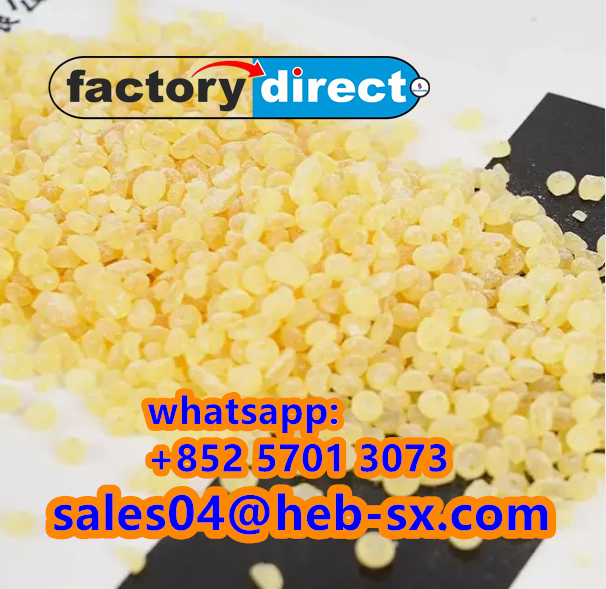
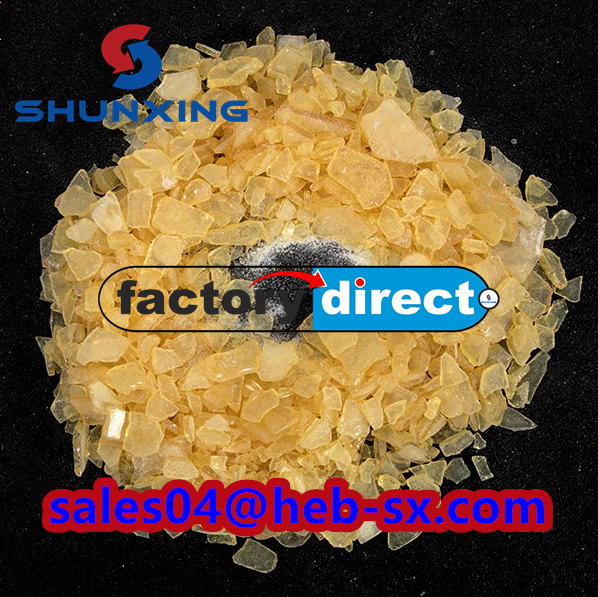
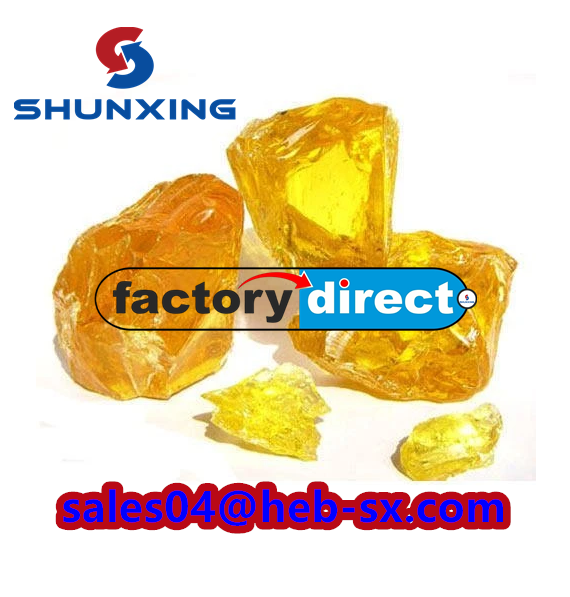
Phenolic resin, originally colorless or yellowish-brown transparent in granular or powdered form. Resistance to weak acid and weak alkali, decomposition occurs in strong acid, corrosion occurs in strong alkali. Insoluble in water, soluble in acetone, alcohol and other organic solvents. It is obtained by polycondensation of phenol aldehyde or its derivatives.
Application of Phenolic resin :
Phenolic resin is mainly used in the manufacture of various plastics, coatings, adhesives and synthetic fibers.
Compression molding powder
- The production of molding powder for molded products is one of the main uses of phenolic resin. The molding powder can be made into various plastic products by molding, transfer molding and injection molding. Thermoplastic phenolic resin molding powder is mainly used in the manufacture of switches, sockets, plugs and other electrical parts, daily necessities and other industrial products. Thermosetting phenolic resin molding powder is mainly used in the manufacture of high electrical insulating parts.
- Rosin modified phenolic resin, butanol etherified phenolic resin, p-tert-butyl phenolic resin and p-phenyl phenolic resin have good miscible with tung oil and linseed oil, and are important raw materials in coating industry. The first two are used to prepare low and intermediate paints, and the latter two are used to prepare high-grade paints.
- Phenolic glue : Thermosetting phenolic resin is also an important raw material for adhesives. The single phenolic resin is brittle and is mainly used for bonding plywood and precision casting sand.
- Phenolic fibre: The formaldehyde-crosslinked structural fibers were obtained from thermoplastic linear phenolic resin by melt spinning and curing in aqueous solution of polyformaldehyde and hydrochloric acid. Mainly used as protective clothing and flame resistant fabrics or interior decoration, can also be used as insulation, heat insulation and heat insulation, filter materials, etc., can also be processed into low strength, low modulus carbon fiber, activated carbon fiber and ion exchange fiber.
- Anti-corrosion material: Several forms of thermosetting phenolic resin commonly used in the field of corrosion prevention: phenolic resin coatings;
- Phenolic resin FRP, phenolic resin - epoxy resin composite FRP; Phenolic resin mastic, mo-rtar; Phenolic resin impregnated, pressed graphite products.
- Thermal insulation material: It is mainly phenolic resin foam material, which can be widely used in central air conditioning system, light insulation color steel plate, house insulation and energy reduction insulation, chemical pipeline insulation material, vehicle and ship insulation field.
Exceptional Thermal and Mechanical PropertiesThis phenolic resin powder offers excellent heat resistance and high structural hardness. Its unique formulation ensures the material performs reliably in high-temperature and high-stress environments, making it suitable for use in demanding industrial applications such as foundry, refractories, and friction materials.
Versatile Industrial ApplicationsWith a neutral pH and a high purity level (>99%), this synthetic resin is ideal for chemical synthesis, composite production, coatings, adhesives, and molding compounds. Its compatibility with common curing agents like Hexamethylenetetramine supports various manufacturing processes for customized and durable end products.
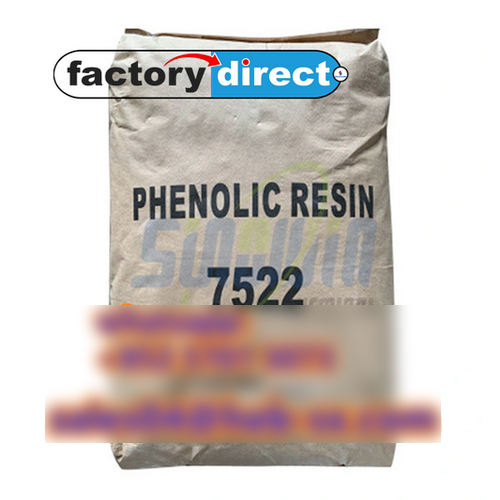
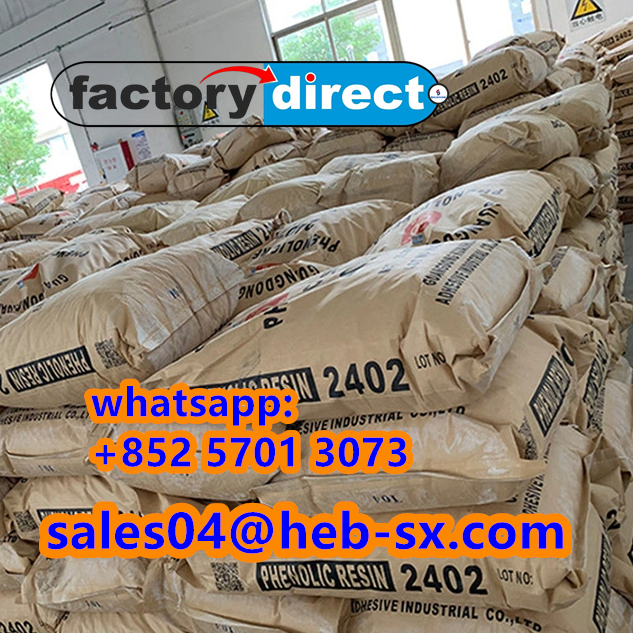
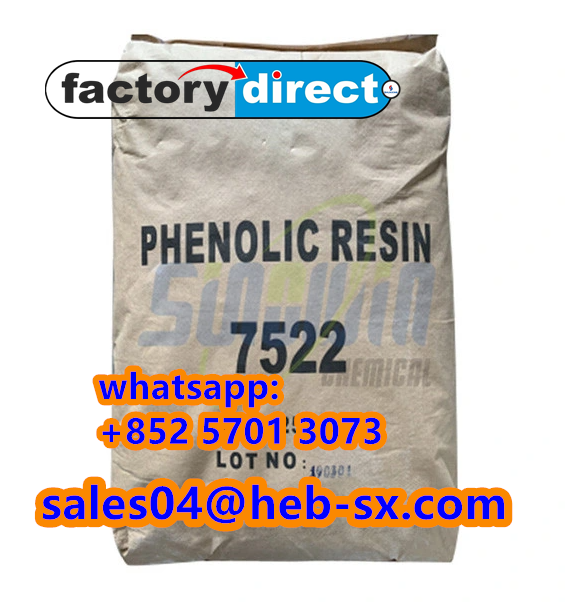
Secure Packaging and Long Shelf LifeEach batch of resin is supplied in robust, tightly sealed 25kg bags or as per client requirements. It boasts a shelf life of 12 months when stored in a cool, dry, and ventilated area, ensuring the product maintains its properties and performance until ready for use.
FAQ's of CAS 9003-35-4 Manufacturer Price Phenolic Formaldehyde Resin Powder Phenolic Resin:
Q: How is Phenolic Formaldehyde Resin Powder typically used in industrial applications?
A: Phenolic Formaldehyde Resin Powder is widely used as a key binding, molding, and reinforcing agent in sectors such as adhesives, insulating materials, foundry sands, refractories, coatings, and friction products due to its high mechanical strength, chemical resistance, and thermal stability.
Q: What is the recommended curing process for this resin, and which curing agent should be used?
A: For optimal results, it is recommended to use Hexamethylenetetramine as a curing agent. The curing process involves thoroughly mixing the powder with the curing agent and applying heat to activate polymer cross-linking, resulting in a thermoset material with excellent mechanical and thermal properties.
Q: Where should this resin powder be stored to maximize its shelf life?
A: To preserve its properties and ensure the 12-month shelf life, the resin should be stored in tightly sealed packaging within a cool, dry, and well-ventilated environment, away from moisture and direct sunlight.
Q: What are the key benefits of using Phenolic Formaldehyde Resin in manufacturing?
A: This resin provides outstanding thermal resistance, high structural hardness, low water absorption, and chemical stability. After curing, it becomes non-flammable and highly resistant to deformation, making finished products durable and reliable for industrial use.
Q: When should this resin be used in the production process?
A: The resin should be introduced during the initial mixture phase of composite or molding processes, before the application of heat and pressure, to ensure thorough integration with other materials and proper curing for maximum performance.
Q: Is the Phenolic Formaldehyde Resin powder environmentally safe or poisonous?
A: Classified as non-poisonous and largely inert once cured, the resin is suitable for industrial purposes, provided users follow standard handling and storage protocols.
Q: What types of packaging options are available for bulk orders?
A: Standard packaging is a 25kg bag, but custom packaging options can be arranged depending on client specifications and logistical requirements.






 Send Inquiry


 Send Inquiry