About 99% Titanium Dioxide Anatase or Rutile TiO2 for Paper Making, Plastics and Rubber CAS: 1317-80-2
- Titanium dioxide is an important inorganic chemical pigment, the main component is titanium dioxide. The production process of titanium dioxide has two process routes: sulfuric acid method and chloride method. It has important applications in coatings, inks, papermaking, plastics and rubber, chemical fiber, ceramics and other industries.
- Titanium dioxide is considered to be the best white pigment in the world. It is widely used in coatings, plastics, papermaking, printing inks, chemical fiber, rubber, cosmetics and other industries.
- Titanium dioxide (titanium dioxide) is chemically stable and does not react with most substances under normal circumstances. In nature, titanium dioxide has three crystals: brookite, anatase and rutile. The brookite type is an unstable crystal type and has no industrial use value. Anatase is abbreviated as A type, and Rutile is abbreviated as R type. Both have a stable crystal lattice and are important white pigments and porcelain glazes. Compared with other white pigments, it has superior whiteness, tinting power, hiding power, weather resistance, heat resistance, and chemical stability, especially non-toxic.
- Titanium dioxide is widely used in coatings, plastics, rubber, ink, paper, chemical fiber, ceramics, daily chemicals, medicine, food and other industries.
- The coating industry is the largest user of titanium dioxide, especially rutile titanium dioxide, most of which is consumed by the coating industry. The paint made of titanium dioxide has bright colors, high hiding power, strong tinting power, low dosage, and many varieties. It can protect the stability of the medium, and can enhance the mechanical strength and adhesion of the paint film to prevent cracks. Prevent the penetration of ultraviolet rays and moisture, and extend the life of the paint film.
- The plastics industry is the second largest user. Adding titanium dioxide to plastics can improve the heat resistance, light resistance, and weather resistance of plastic products, improve the physical and chemical properties of plastic products, enhance the mechanical strength of the products, and extend the service life.
- The paper industry is the third largest user of titanium dioxide. As a paper filler, it is mainly used in high-grade paper and thin paper. Adding titanium dioxide to the paper can make the paper have better whiteness, good gloss, high strength, thin and smooth, no penetration during printing, and light weight. Titanium dioxide for papermaking generally uses anatase titanium dioxide without surface treatment, which can act as a fluorescent whitening agent and increase the whiteness of paper. However, laminated paper requires the use of surface-treated rutile titanium dioxide to meet the requirements of light resistance and heat resistance.
- Titanium dioxide is also an indispensable white pigment in advanced inks. The ink containing titanium dioxide is durable and does not change color, has good surface wettability and is easy to disperse. The titanium dioxide used in the ink industry has rutile type and anatase type.
- The textile and chemical fiber industry is another important application field of titanium dioxide. Titanium dioxide for chemical fiber is mainly used as a matting agent. Since the anatase type is softer than the gold red type, the anatase type is generally used. Titanium dioxide for chemical fiber generally does not require surface treatment, but in order to reduce the photochemical effect of titanium dioxide and prevent the fiber from degrading under the action of titanium dioxide photocatalysis, surface treatment is required for some special varieties.
- The enamel industry is an important application field of titanium dioxide. The enamel grade titanium dioxide has high purity, good whiteness, fresh color, uniform particle size, strong refractive index and high color reducing power, and has strong turbidity and Opacity, make the coating thin, smooth and strong acid resistance after enamelling. It can be evenly mixed with other materials in the enamel manufacturing process, does not agglomerate, and is easy to melt.
- The ceramic industry is also an important application field of titanium dioxide. Ceramic grade titanium dioxide has the characteristics of high purity, uniform particle size, high refractive index, excellent high temperature resistance, and no ash when kept at a high temperature of 1200C for 1 hour. High opacity, thin coating, light weight, widely used in ceramics, construction, decoration and other materials.
- White Pigment tio2 rutile anatase price titanium dioxide
- Name: Rutile Titanium Dioxide
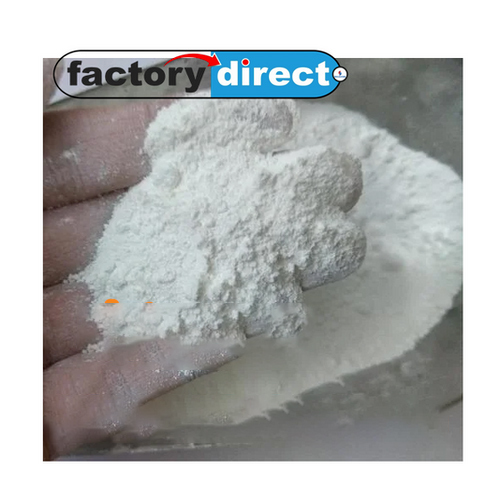
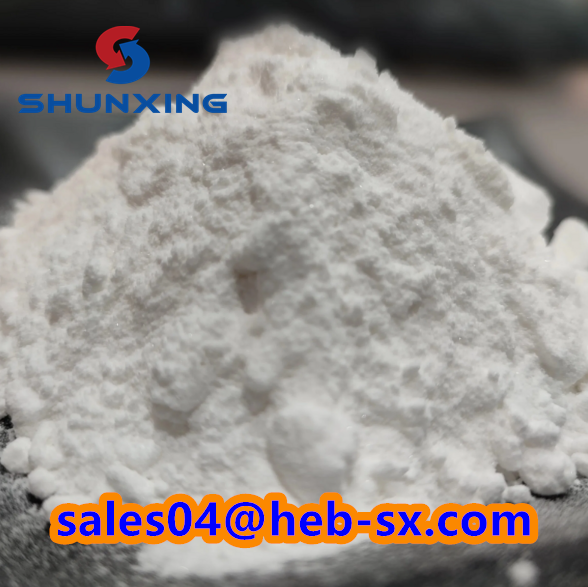
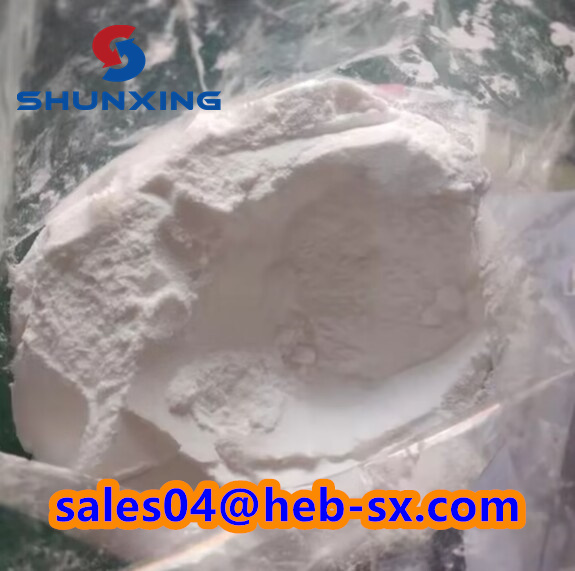
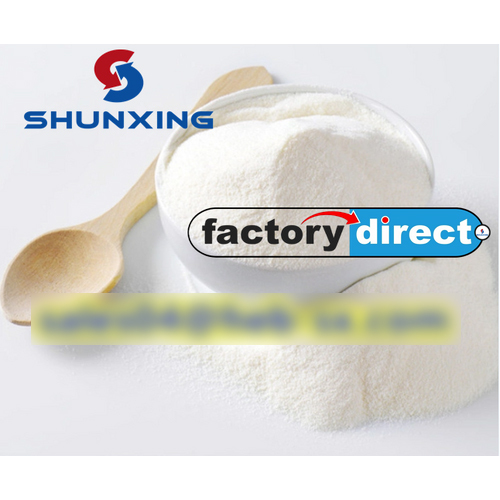
- Appearance: white powder
- HS code: 3206111000
Exceptional Pigmentation QualityWith a whiteness of 98% and tinting strength of 100% (compared to standard samples), this titanium dioxide offers superior coverage and brightness. Its finely controlled particle sizes ensure optimal dispersion and uniformity, making it highly desirable for achieving vibrant, opaque coloration in paper, plastics, and rubber.
Versatile Applications Across IndustriesSuitable for use in diverse sectors-ranging from coatings, ceramics, and textiles to cosmetics-this TiO2 serves as a dependable white pigment and opacifier. Its compatibility with various grades and surface treatments (alumina/silica-coated) further extends its adaptability to specialized needs.
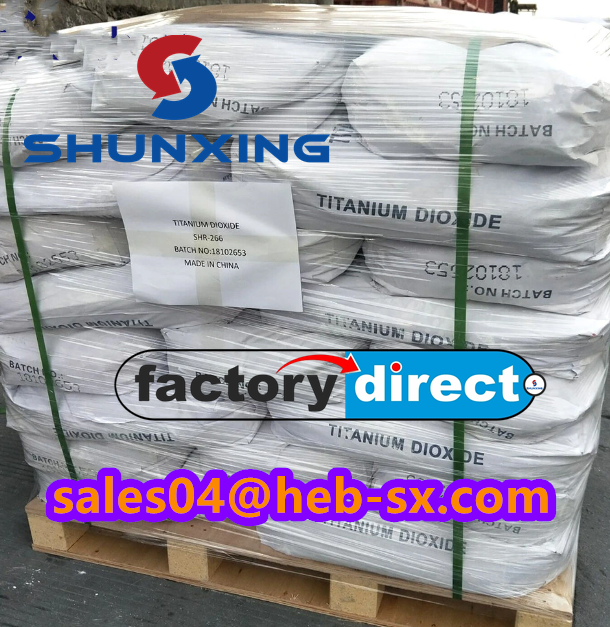
Quality Assurance & Reliable DeliveryProduced to meet ISO 591 and ASTM D476 standards, this product is distributed by reputable suppliers in China. It is available in versatile packaging options, including 25kg bags and jumbo bags, ensuring optimal storage and handling. Maintaining over 99% purity, TiO2 offers consistent quality batch after batch.
FAQ's of 99% Titanium Dioxide Anatase or Rutile TiO2 for Paper Making, Plastics and Rubber CAS: 1317-80-2:
Q: How does titanium dioxide improve opacity and whiteness in paper and plastics?
A: Titanium dioxide's high refractive index and fine particle size enable outstanding light scattering, resulting in enhanced whiteness and opacity. This makes paper and plastic products appear brighter and more vibrant while also masking underlying colors or impurities.
Q: What are the benefits of using rutile over anatase TiO2 for outdoor applications?
A: Rutile TiO2 offers superior weather resistance, making it ideal for coatings and products exposed to sunlight and harsh environments. Its higher opacity and durability ensure that colors remain vivid and protected against UV degradation over time.
Q: What is the recommended storage process for TiO2 powder to maintain quality?
A: It's advised to store titanium dioxide in a cool, dry, and well-ventilated area, away from moisture and direct sunlight. Proper storage helps prevent agglomeration and maintains the pigment's dispersibility, brightness, and performance characteristics.
Q: Can titanium dioxide used in paper making affect the paper's printability?
A: Yes, the incorporation of TiO2 enhances the printability of paper by creating a smooth, opaque surface that yields sharp, well-defined images and text. Its high brightness also improves visual quality for offset and digital printing processes.
Q: Where is this titanium dioxide typically manufactured and distributed from?
A: This TiO2 product is primarily produced, distributed, and exported by suppliers in China. The country plays a significant role as a global hub for titanium dioxide manufacturing and supply, catering to industrial clients worldwide.
Q: How can packaging be customized for titanium dioxide shipments?
A: Titanium dioxide can be supplied in 25kg standard bags or larger jumbo bags to suit specific customer logistics and handling preferences. Custom packaging options may also be available upon request to meet specialized requirements.






 Send Inquiry


 Send Inquiry