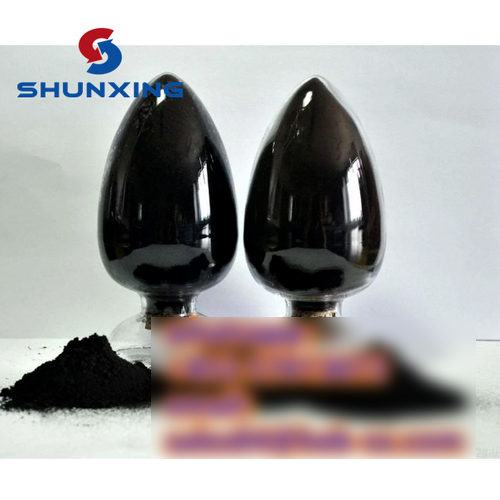
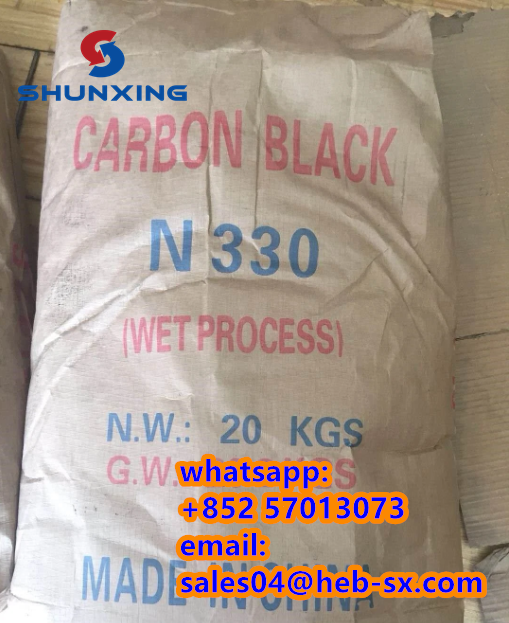
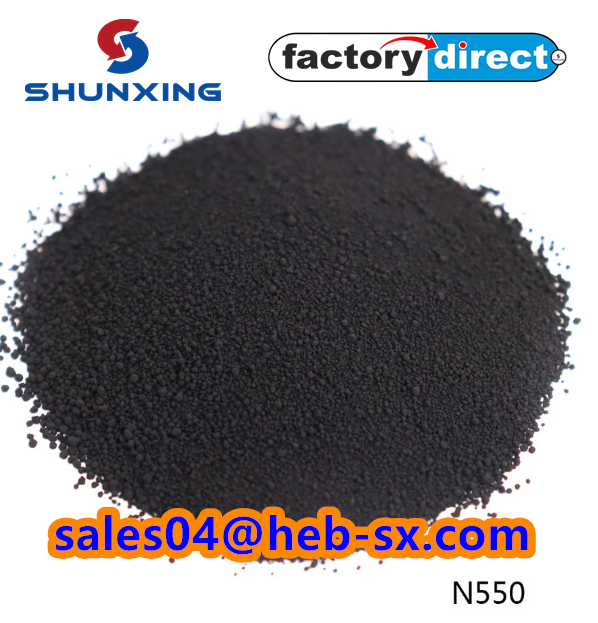
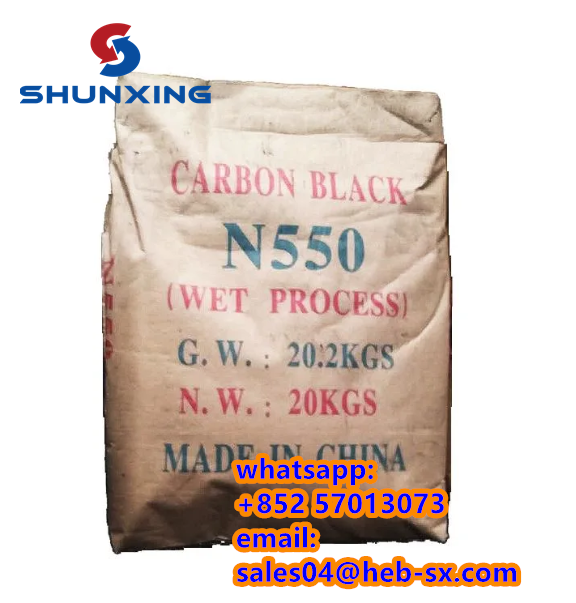
About N220 N330 N550 N660 Carbon Black CAS 1333-86-4
Application of Special Carbon Black
- Special Carbon Black is widely utilized in: Tread, Engineering Plastics, Cable, Rubber Products, Ink, Coating, Fiber, UV Protection, Pressure Pipes, General Masterbatch.
- N220, N234, N375, N550, N326, N339, N660, N330. Grade wet processed granular carbon black, and have the potential to produce 20 grade carbon black if the quantity is suitable.
- Our products follow the specification of GB3778-2003 Standard, and reaches ASTM-Standard.
- Our Group got the Quality Certificate: ISO9001: 2008, Environmental Certificate ISO4001: 2004 Standard. Occupation Cetificate: 28001: 2001, REACH testing(EU Certificate)
And other details as:
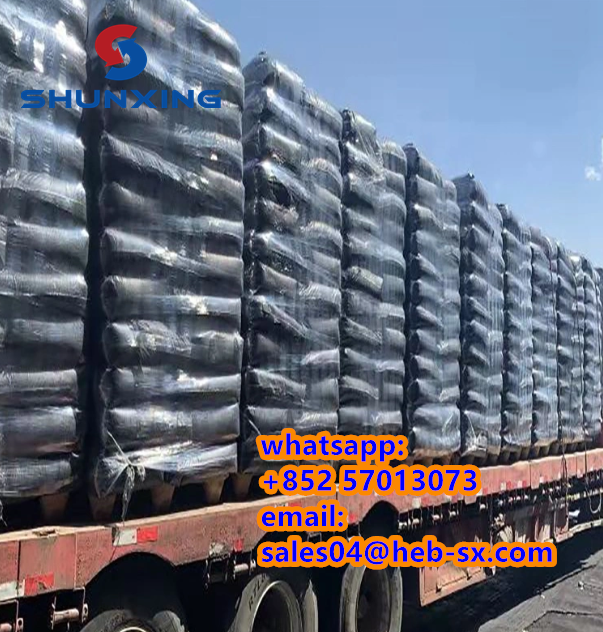
- Packing: 25kgs/bag, 20kgs/bag, 500kgs/bag, 1000kgs/bag
- Delivery: 3 week upon confirm the order
- Terms of payment: By T/T or L/C at sight.
Exceptional Versatility for Industrial ApplicationsN220, N330, N550, and N660 Carbon Black grades are trusted in multiple industries due to their tailored particle sizes, conductivity, and reinforcing effects. They are widely employed in rubber compounding, imparting durability and strength, as well as in plastic coloring, inks, pigments, paints, and coatings where intense black color and stability are essential. Their compatibility ensures seamless integration into different processing environments, delivering consistent results for manufacturers.
Stable, Non-Toxic, and Easy-to-StoreThese carbon black powders are non-toxic, inert, and classified as safe when handled with basic personal protective equipment. They are odorless and tasteless, with a neutral pH in suspension, ensuring safe integration into the manufacturing process. With a shelf life of two years and packaging in 25kg bags, they only require cool, dry storage to maintain their properties, minimizing any storage risks or handling concerns.
FAQs of N220 N330 N550 N660 Carbon Black CAS 1333-86-4:
Q: How should N220, N330, N550, and N660 Carbon Black powders be handled and stored for safety?
A: These carbon black powders should be handled in a well-ventilated area with proper personal protective equipment (PPE) like masks and gloves to prevent inhalation and contact. For storage, keep them in sealed containers in a cool, dry environment to maintain stability and ensure the shelf life of up to two years.
Q: What are the key uses of these Carbon Black grades in the industry?
A: N220, N330, N550, and N660 Carbon Blacks are primarily used as reinforcing fillers and pigments in rubber manufacturing (such as tires), plastics, paints, inks, and coatings. They provide deep black coloration, electrical conductivity, and improve mechanical strength and UV resistance.
Q: When should you select a specific grade (N220, N330, N550, or N660) for your application?
A: Choosing the grade depends on the desired properties: N220 and N330 offer higher reinforcement and color strength due to their smaller particle sizes and higher surface area, ideal for high-performance rubber products. N550 and N660 are chosen for applications needing moderate reinforcement, smoother surfaces, or lower cost, such as general-purpose tires and certain plastics.
Q: Where do these Carbon Black grades show the most benefit in industrial processes?
A: Their benefits are most prominent in the rubber industry, especially in tire and rubber product manufacturing, where they enhance strength, durability, and conductivity. They are also valuable in plastics and paints for deep black pigmentation and improved UV protection.
Q: What is the process for integrating these Carbon Black products into a manufacturing workflow?
A: The carbon black powders are typically mixed or compounded into the base material (such as rubber or plastic) during processing. Uniform dispersion is crucial for achieving optimal color, strength, and conductivity. Specialized mixers or mills facilitate even distribution during production.
Q: How does the electrical conductivity of these carbon blacks provide value in end products?
A: Their conductive properties are beneficial in the production of antistatic and conductive materials, such as electronic packaging, cables, and flooring, where dissipation of electrical charge is needed for safety or product enhancement.






 Send Inquiry


 Send Inquiry