About Industrial Top Grade Competitive Price CAS111-46-6 Diethylene Glycol/Deg
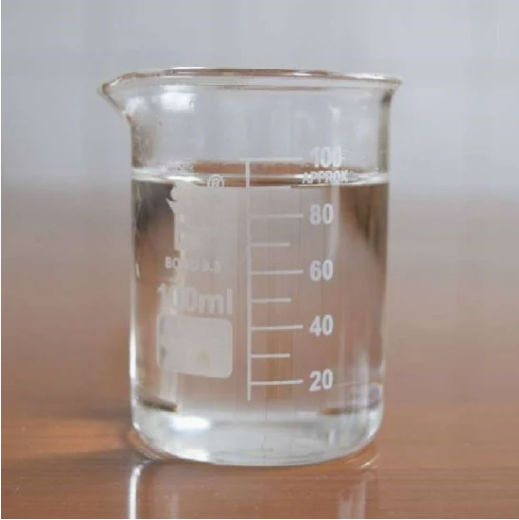
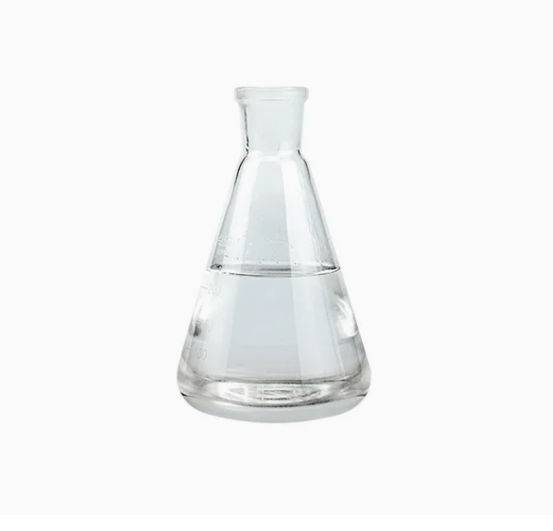
Diethylene glycolDiethylene glycol is used in the manufacture of saturated and unsaturated polyester resins, polyurethanes, and plasticizers.[5]DEG is used as a building block in organic synthesis. It is a solvent for nitrocellulos e, resins, dyes, oils, and other organic compounds. It is a humectant for tob-acco, cork, printing ink, and glue.[6] It is also a component in brake fluid, lubricants, wallpaper strippers, artificial fog and haze solutions, and heating/cooking fuel.[2] In personal care products (e.g. skin cream and lotions, deodorants), DEG is often replaced by selected diethylene glycol ethers. A dilute solution of diethylene glycol can also be used as a cryoprotectant; however, ethylene glycol is much more commonly used. Most ethylene glycol antifreeze contains a few percent diethylene glycol, present as an byproduct of ethylene glycol production.
Versatile Industrial ApplicationsDiethylene Glycol is prized for its multifunctional nature, serving as a key ingredient in polyester resin and polyol manufacturing, and performing exceptionally as a solvent and antifreeze. Its compatibility with water and other organics makes it ideal for gas dehydration, chemical synthesis, and use as a humectant, offering industrial users a reliable and effective chemical solution.
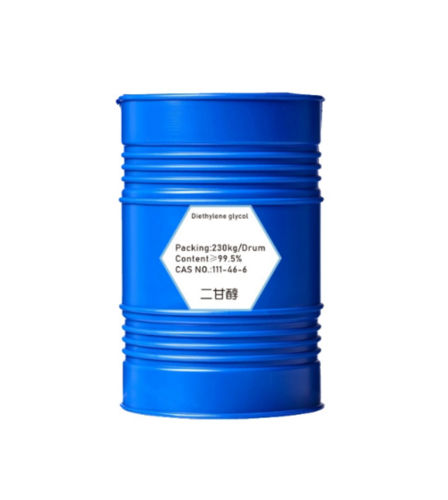
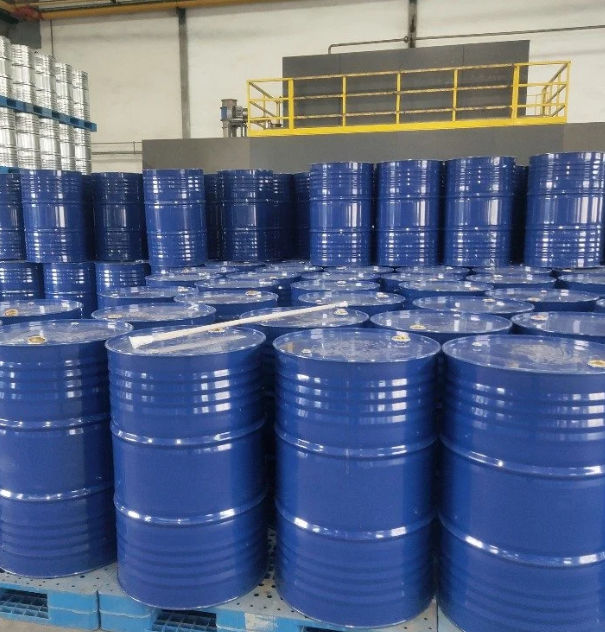
Safe Storage and LongevityThis product is stable and maintains its quality for up to two years when stored in tightly closed containers in cool, well-ventilated spaces. Its low vapor pressure ensures safety during handling, while packaging options such as 220 kg drums or ISO tanks support bulk transportation and efficient storage in industrial environments.
FAQs of Industrial Top Grade Competitive Price CAS111-46-6 Diethylene Glycol/Deg:
Q: How should Diethylene Glycol (DEG) be stored for maximum shelf life?
A: DEG should be stored in tightly closed containers within a cool, well-ventilated environment. Proper storage conditions maximize its shelf life up to two years, preserving stability and product quality by preventing moisture absorption and contamination.
Q: What are the main industrial uses of Diethylene Glycol?
A: DEG is primarily used in producing unsaturated polyester resins, polyester polyols, as a solvent, in antifreeze formulations, as a humectant, and for gas dehydration. Its versatile solubility broadens its role across a variety of industrial processes.
Q: When should Diethylene Glycol be selected over other glycols in manufacturing?
A: DEG is chosen for applications requiring excellent water and organic solvent solubility, high purity, and stable performance. It is ideal in the synthesis of resins, solvent blends, and industrial antifreeze due to its chemical properties and quality consistency.
Q: Where can Diethylene Glycol be supplied from and how is it packaged?
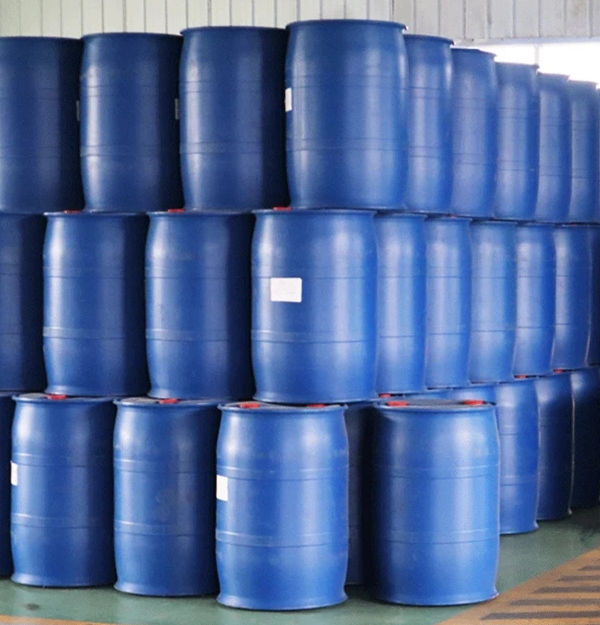
A: This product is distributed, exported, and manufactured in China, typically supplied in 220 kg drums or ISO tanks. Packaging is designed to ensure safe bulk handling and ease of transport for industrial buyers worldwide.
Q: What are the safety considerations when handling Diethylene Glycol?
A: DEG is harmful if swallowed or inhaled. Handling should be performed with suitable personal protective equipment, ensuring adequate ventilation. Always refer to the products safety data sheet and adhere to standard safety protocols during use.
Q: How does Diethylene Glycol benefit industrial processes?
A: DEG enhances industrial processes by providing stable, high-purity performance as a solvent and intermediate, supporting efficient resin synthesis, facilitating gas dehydration, and acting as a reliable humectant and antifreeze component.






 Send Inquiry


 Send Inquiry
