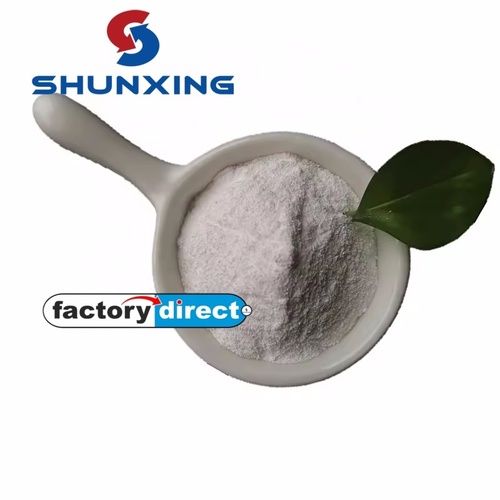
About High Viscosity Cellulose Ether Hydroxypropyl Methyl Cellulose HPMC
Characteristic of HPMC
- Water Retention: HPMC significantly improves water retention in cement-based products. This ensures proper hydration of cement, leading to better strength development and reduced risk of cracks due to premature drying.
- Workability: It enhances the workability of mortars, plasters, and other construction mixtures. This makes them easier to spread, reducing labor effort and improving application efficiency.
- Consistency and Sag Resistance: HPMC helps maintain the consistency of construction mixtures, preventing sagging and improving the stability of applied layers on vertical surfaces.
- Improved Adhesion: It enhances the adhesive properties of mortars and tile adhesives, ensuring better bonding between tiles, bricks, or other construction materials and the substrate.
Superior Water Retention and ThickeningThis HPMC grade features outstanding water retention (98%) and thickening abilities, making it indispensable in tile adhesives, mortars, and coatings. Its stability across a wide pH range (4-11) and high viscosity guarantee consistent texture, improved workability, and enhanced durability in construction and formulation processes.
Versatile Applications Across IndustriesHydroxypropyl Methyl Cellulose is widely employed as a thickener, binder, and film-former in various sectors. Its cold water solubility and delayed solubility surface treatment accommodate tailored release in different applications, such as paints, pharmaceuticals, and detergents, providing reliable performance and process adaptability.
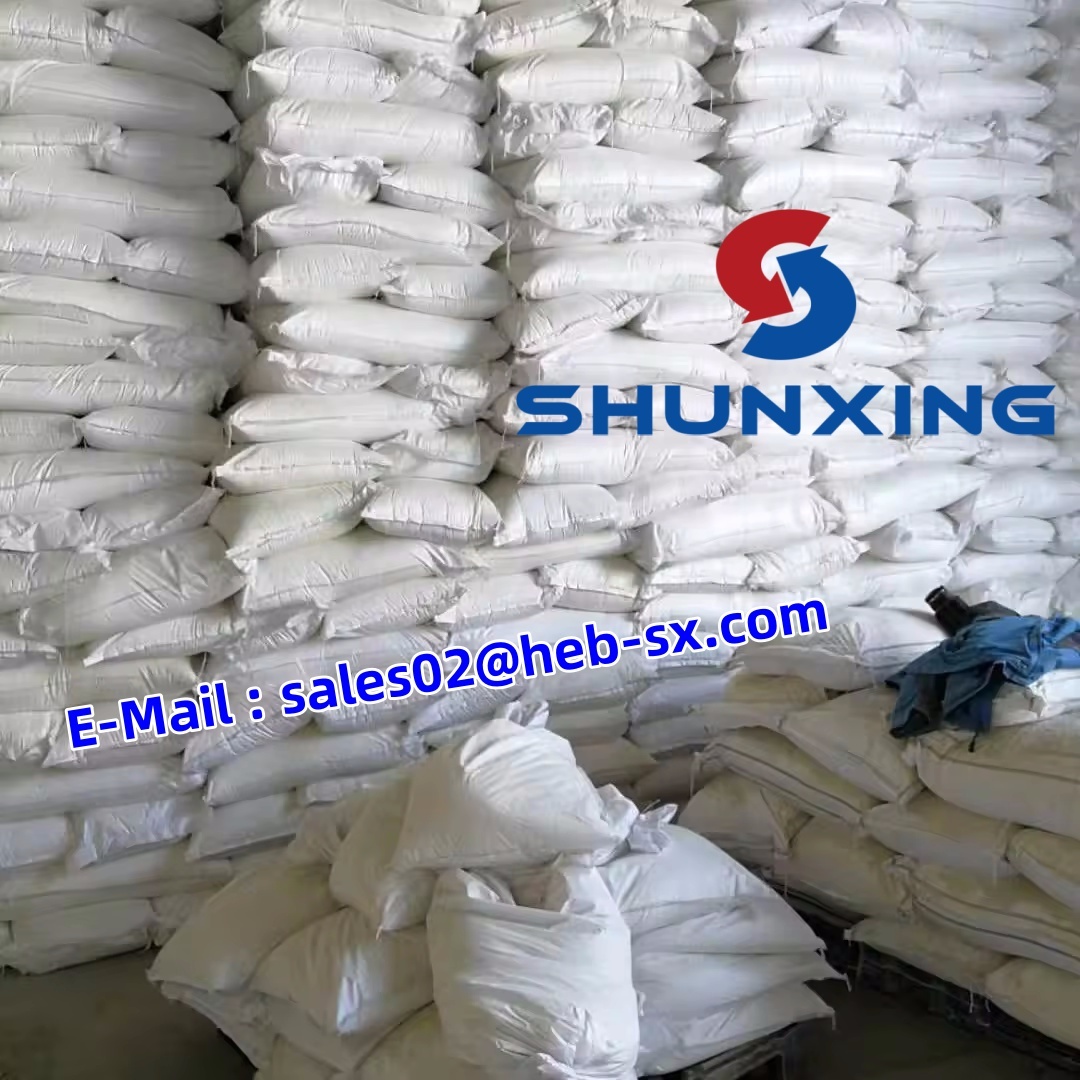
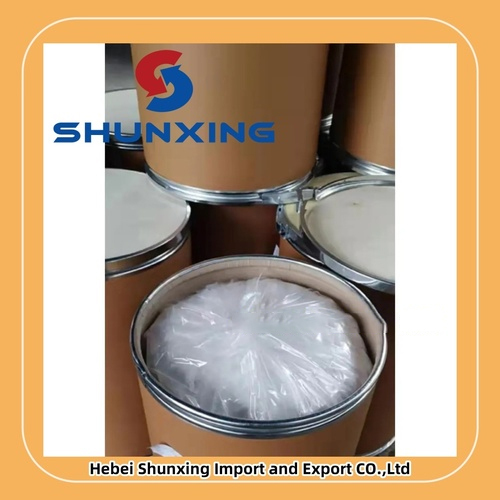
Safe, Environmentally Friendly, and Easy to StoreHPMC is non-toxic, odorless, and biodegradable, making it a safe choice for manufacturers and end users. It is best stored in cool, dry, and well-ventilated areas, sealed securely to uphold its two-year shelf life. Despite being combustible, it is not easily flammable under standard conditions, promoting safer handling and storage.
FAQ's of High Viscosity Cellulose Ether Hydroxypropyl Methyl Cellulose HPMC:
Q: How is High Viscosity HPMC typically used in construction applications?
A: High Viscosity HPMC acts as a thickener, binder, and water retention agent in construction products such as tile adhesives, mortar, and coatings. It improves workability, prevents cracking, and ensures strong adhesion by maintaining moisture and enhancing texture during application.
Q: What benefits does surface treatment provide for HPMC?
A: Surface-treated HPMC offers delayed solubility, which allows for controlled dispersion in formulations. This enables manufacturers to adjust setting or working times in products like cement or adhesives, leading to better process control and improved product performance.
Q: Where should HPMC be stored to maintain its shelf life and performance?
A: HPMC should be stored in a cool, dry, well-ventilated area and kept sealed in its original packaging. Proper storage conditions help preserve its two-year shelf life and maintain its quality, moisture content, and efficacy.
Q: What is the process for dissolving HPMC in water?
A: HPMC is readily soluble in cold water. To dissolve, slowly add the powder to vigorously stirred cold water to avoid clumping. It does not dissolve in hot water or most organic solvents, and surface-treated grades will dissolve more slowly, allowing for delayed viscosity development.
Q: When is the use of HPMC particularly advantageous in industrial formulas?
A: HPMC is particularly beneficial when formulations require high water retention, stable viscosity, and non-toxic, biodegradable additives. It excels in construction, paints, detergents, pharmaceuticals, and ceramics, where these attributes lead to improved product quality and end-user safety.
Q: What makes HPMC safe and environmentally friendly for industrial use?
A: HPMC is non-toxic, odorless, and biodegradable, ensuring safety for users and reduced environmental impact. It is classified as combustible but is not easily flammable under normal conditions, further supporting safe handling in industrial settings.






 Send Inquiry


 Send Inquiry