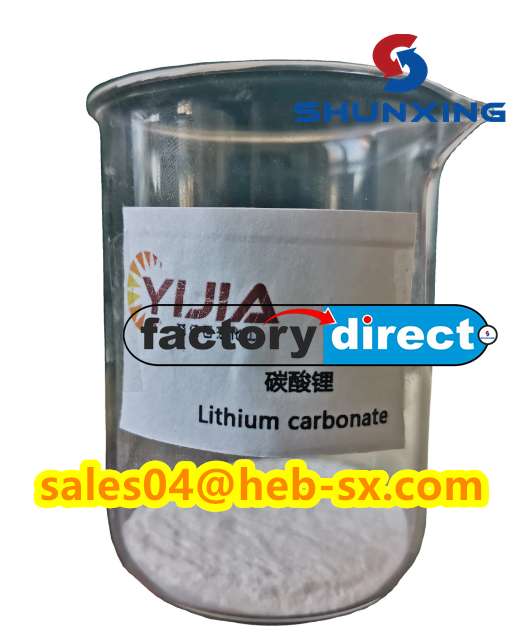
About High Purity China Lithium Carbonate 99.5% Battery Level or 99.2% Industry Grade
Function and usage: Industrial grade lithium carbonate is mainly used in steel continuous casting mold slag; in the electrolytic aluminum industry, adding industrial grade lithium carbonate can reduce the volatility, viscosity and melting point of the electrolyte, and improve the conductivity of the electrolyte, thereby reducing heat loss and improving Current efficiency, energy saving and prolonging the service life of electrolytic cells; used to prepare refrigerant lithium bromide; used to prepare lithium chloride as a raw material for metal lithium electrolysis; used to prepare high-purity grade lithium carbonate and pharmaceutical grade lithium carbonate; Used in glass, ceramics, enamel and enamel, etc.
Storage and use: Avoid contact with eyes, skin and clothes; keep away from strong acids and strong oxidizing substances, and store in a ventilated, dry and airtight manner.
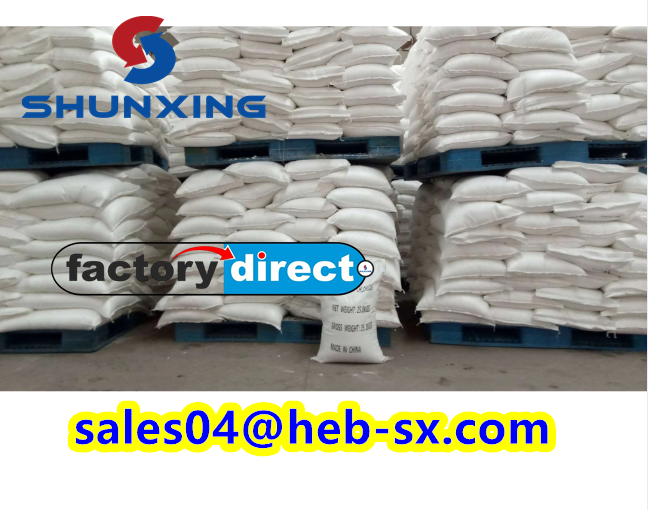
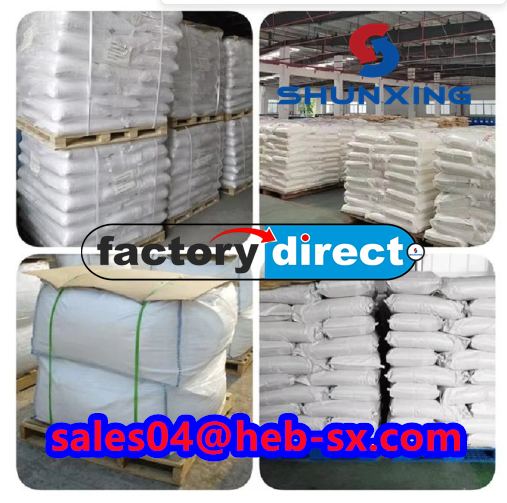
Packing: paper-plastic composite bag lined with 2 layers of PE bag, 25kg/bag or as customer's request.
Reliable Source for Lithium ApplicationsOur high purity lithium carbonate from China is meticulously produced to support critical industries, including battery manufacturing, glass, ceramics, and pharmaceuticals. The precise chemical composition and fine particle size ensure optimal performance and seamless integration into diverse applications. Sourced directly from reputable suppliers and manufacturers, consistency and reliability are prioritized in every shipment.
Stringent Quality Control and PackagingQuality testing adheres to established GB/T 11065-2013 standards, guaranteeing ultra-low impurities (Na 0.02%, Cl 0.003%, Fe 0.001%, etc.). Each order is delivered in secure 25kg bags or custom packaging to maintain integrity during storage and transport. Detailed quality reports and tailored packaging solutions are available upon request.
FAQ's of High Purity China Lithium Carbonate 99.5% Battery Level or 99.2% Industry Grade:
Q: How is high purity lithium carbonate typically used in industrial applications?
A: High purity lithium carbonate is widely used as a key raw material in the production of lithium-ion batteries, glass, ceramics, pharmaceuticals, catalysts, and metallurgy. Its high purity level ensures efficiency and optimal outcomes in these advanced manufacturing processes.
Q: What are the benefits of using the battery grade (99.5%) lithium carbonate for battery manufacturing?
A: Using battery grade lithium carbonate (99.5% purity) ensures minimal contamination, supports longer battery cycle life, and enhances energy storage capabilities. The strict particle size control and low impurity levels help deliver high-performance cell chemistry in lithium-ion batteries.
Q: Where should lithium carbonate be stored, and what is its shelf life?
A: Lithium carbonate should be stored in a cool, dry, well-ventilated area in a tightly sealed container to prevent moisture absorption and contamination. Under these recommended conditions, its shelf life is up to two years.
Q: What is the standard process for packaging lithium carbonate for export or distribution?
A: Lithium carbonate is commonly packed in 25kg bags, with the option for customized packaging based on client requirements. Packaging ensures safe handling and transport, maintaining product quality during distribution through secure and moisture-tight materials.
Q: When is lithium carbonate considered industrial rather than battery grade, and what are the differences?
A: Lithium carbonate is classified as industrial grade when its purity is 99.2%, compared to the 99.5% required for battery grade. Industrial grade is suitable for applications where ultra-high purity is not as critical, such as glass and ceramics, while battery grade is reserved for sensitive battery manufacturing.
Q: How can customers ensure the lithium carbonate meets their technical requirements?
A: Customers can request a detailed quality specification sheet or certificate of analysis with each batch. The product is produced to comply with GB/T 11065-2013 or can be tailored to meet specific customer needs for particle size, packaging, or impurity limits.






 Send Inquiry


 Send Inquiry
