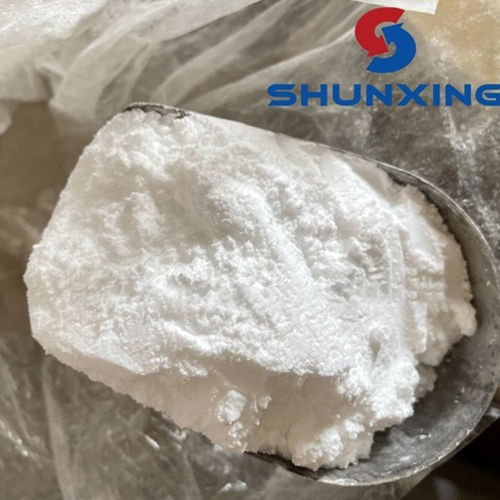
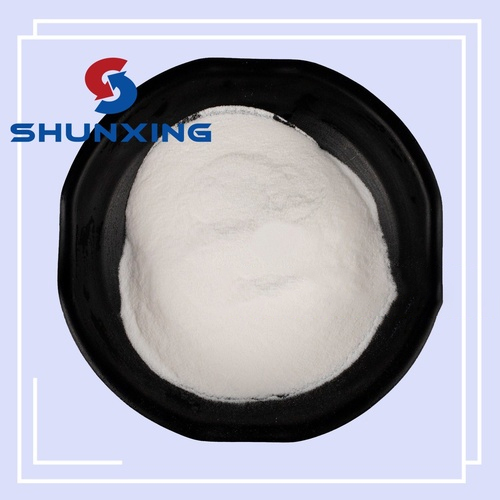
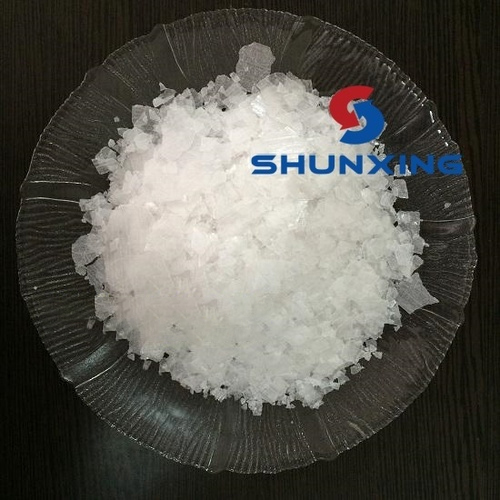
About Gum Rosin Glycerol Ester of Hydrogenated Rosin Gum Rosin for Adhesive
- Soap industry: Rosin and caustic/soda or cooking together form a rosin soap. Rosin soap has great detergency, soluble in water, can dissolve fat,easy to foam. Rosin sticky, not easy to crack and make soap rancidity deterioration
- Paper industry: Gum rosin used as a paper making material in the paper industry. Rosin and rosin sodium soap made from caustic so da, namely rubber, plastic materials mixed with the pulp and adding alum, rosin becomes stuck in a small water-insoluble fiber free resin acid particles, when heated on a roll pulp drying cylinder when filled between the fibers soften rosin, this effect is called "glue" or"glue." After the paper "glue" can enhance water resistance, prevent ink penetration, improve the strength and smoothness, reduce the degree of expansion.
- Paint and coatings industry: Rosin soluble in various organic solvents, and the film deposition, shiny, is one of the basic raw material of paint. The role of rosin in the paint is to paint bright color, fast drying, smooth and easy to fall off the film
- Ink industry: Rosin is mainly used in printing ink vehicle body and enhance the adhesion of the ink to the paper. If you do not have rosin ink, the ink will be printed into the dull hue, blurred
- Adhesives industrial: Rosin ester and hydrogenated rosin ester as a binder base material, commonly used as hot melt adhesives, pressure sensitive adhesives and rubber tackifier
- Rubber industry
- Rosin used as a softener in the rubber industry, increase its flexibility. Disproportionated rosin potassium soap can be used for synthetic rubber
- Food industry: Hydrogenated rosin esters and natural chicle, wax, vinyl ace tate, etc. together with the melted, then add spices, sugar and mix thoroughly pigment can be made into gum. After the slaughter of pigs in the slaughterhouse, cattle, sheep, when, after hair removal with mechanical operations, left in the animal body and head hair can be used by the 88-94% of molten rosin and 6-12% of cottonseed oil consisting of depilatory to remove
- Electrical industry: Rosin 35% and 65% light oil formulated as insulating oil in the cable used as a protective film for insulation and heat effect. Rosin and bakelite and other artificial resins used as the insulating varnish mixed
Excellent Compatibility and VersatilityThis hydrogenated gum rosin ester is compatible with a broad array of polymers, including natural and synthetic rubbers, EVA, SIS, SBS, waxes, and plasticizers, making it highly versatile for adhesive and rubber applications. Its chemical stability ensures performance across various industrial processes, contributing to robust and durable end products.
Superior Stability and PurityManufactured to a purity above 90% and meeting key industry standards, the product exhibits excellent color and thermal stability. Its low acid value and minimal water content ensure long shelf life and consistent performance, maintaining its quality throughout extended storage and application cycles.
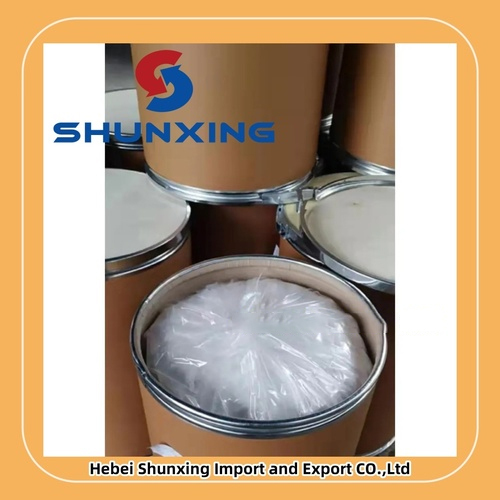
Optimal Packaging and Safe HandlingPackaged in 25kg kraft paper bags or as requested, the material is classified as non-hazardous, making it safe and easy to handle. It should be stored in cool, dry, and ventilated conditions, away from direct sunlight and heat, to preserve its characteristics and extend its shelf life up to 12 months unopened.
FAQ's of Gum Rosin Glycerol Ester of Hydrogenated Rosin Gum Rosin for Adhesive:
Q: How is Gum Rosin Glycerol Ester of Hydrogenated Rosin used in adhesive manufacturing?
A: It serves as a tackifier resin in adhesives, enhancing stickiness, improving bonding strength, and increasing flexibility. Its compatibility with diverse base polymers like SBS, EVA, and rubbers allows it to be incorporated into hot melt, pressure-sensitive, and industrial adhesives for various applications.
Q: What benefits does this resin offer for industrial adhesive formulations?
A: Key benefits include excellent thermal and color stability, high purity levels, low acid value, and strong compatibility with both natural and synthetic polymers, ensuring robust adhesive performance, superior durability, and consistent quality in end-use products.
Q: When should I use this product for my adhesive needs?
A: Utilize this gum rosin ester when high performance, stability, and compatibility with multiple polymers are required-such as in the production of hot melt adhesives, rubber adhesives, or pressure sensitive adhesives for packaging, woodworking, or automotive industries.
Q: Where is Gum Rosin Glycerol Ester of Hydrogenated Rosin typically applied?
A: It is widely used in manufacturing facilities producing adhesives, rubber goods, coatings, and inks. Its primary customers include adhesive manufacturers and industries requiring strong, stable bonding agents, such as packaging, construction, and footwear sectors.
Q: What is the recommended process for storing this resin to ensure maximum shelf life?
A: The product should be kept in its original, unopened packaging and stored in a cool, dry, well-ventilated place. It must be protected from direct sunlight, moisture, and excess heat to maintain its physical and chemical properties for up to 12 months.
Q: How does this product's solubility affect its application?
A: This resin dissolves well in organic solvents like benzene, toluene, and esters, allowing for easy incorporation into solvent-based adhesive systems while its insolubility in water makes it ideal for moisture-resistant formulations.






 Send Inquiry


 Send Inquiry