About Chemical Supplier Additive Stabilizer Sodium Carboxymethyl Cellulose CMC Powder Price
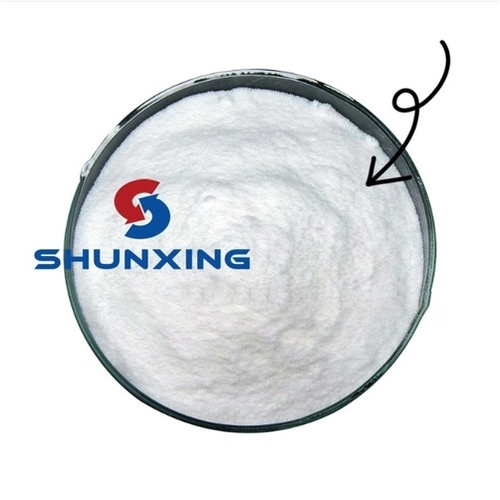
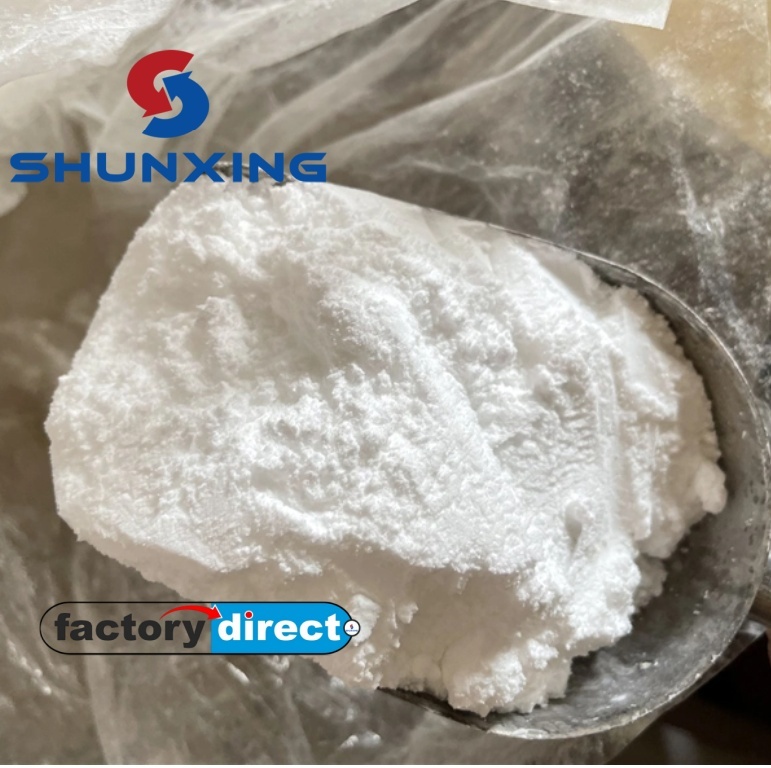
Carboxy Methyl Cellulose(CMC) is synthesized by the alkali-catalyzed reaction of cellulose with chloroacetic acid. The polar (organic acid) carboxyl groups render the cellulose soluble and chemically reactive. The functional properties of Fooding Carboxy Methyl Cellulose(CMC) depend on the degree of substitution of the cellulose structure (i.e., how many of the hydroxyl groups have taken part in the substitution reaction), as well as the chain length of the cellulose backbone structure and the degree of clustering of the carboxymethyl substituents.
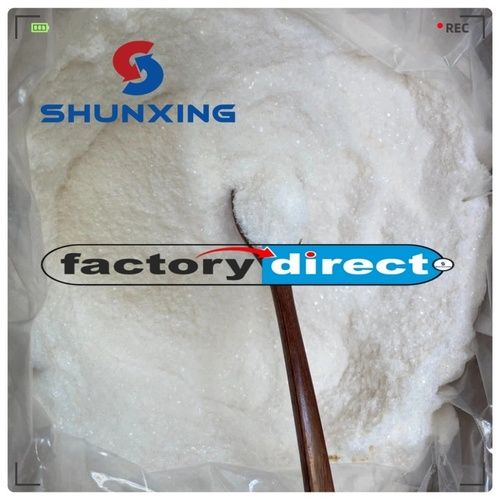
Broad Industrial and Food ApplicationsCMC Powder serves numerous industries, including food, pharmaceuticals, oil drilling, detergents, textiles, paper, ceramics, and cosmetics. Its ability to modify viscosity, stabilize mixtures, and bind diverse ingredients makes it invaluable across various production environments. With both industrial and food-grade options available, quality standards are firmly upheld. Its unique properties enable manufacturers to achieve improved product texture, stability, and efficiency throughout their processes.
Product Quality and Safety AssuranceOur Sodium Carboxymethyl Cellulose adheres strictly to international standards such as GB 1886.232-2016, FCC, and E466. With a purity over 99%, low heavy metal content, and rigorous microbial limits, safety and consistency are ensured for every batch. The product is non-poisonous, odorless, and tasteless, making it suitable for sensitive applications including food production. Packaged securely in 25 kg kraft paper bags with an inner PE liner, proper storage maintains optimal quality over a 24-month shelf life.
FAQ's of Chemical Supplier Additive Stabilizer Sodium Carboxymethyl Cellulose CMC Powder Price:
Q: How is Sodium Carboxymethyl Cellulose (CMC) powder used as an additive and stabilizer?
A: CMC powder is commonly added to products to modify viscosity, stabilize emulsions or suspensions, and bind ingredients together. In food, it can improve texture and shelf stability; in detergents and pharmaceuticals, it enhances consistency and efficacy; and in oil drilling, it controls fluid rheology.
Q: What benefits does CMC offer in industrial and food-grade applications?
A: CMC provides excellent thickening, stabilizing, and binding capabilities. Its solubility in water and wide viscosity range make it adaptable to different manufacturing processes. The product is non-toxic, tasteless, and odorless, ensuring it does not interfere with the end product's flavor or aroma.
Q: When should I use CMC powder during my formulation process?
A: CMC is typically incorporated during the blending or pre-mixing phase, where its rapid solubility and versatile viscosity control are best utilized. It is advised to add CMC powder gradually to water or directly into the process stream for uniform dispersion and optimum performance.
Q: Where can CMC powder be applied effectively?
A: CMC is suitable for use in food products, detergents, pharmaceuticals, textiles, ceramics, paper-making, oil drilling fluids, and cosmetics. Its universal compatibility makes it an essential additive for manufacturers in China and worldwide.
Q: What is the recommended process for storing CMC powder?
A: CMC powder should be stored in a cool, dry, and well-ventilated area with containers tightly sealed. Protect the product from moisture and direct sunlight to maintain its quality. The kraft paper bags with inner PE liner provide a robust barrier during storage and transport.
Q: What makes CMC a safe choice for sensitive applications?
A: With a purity exceeding 99%, minimal heavy metals, and low microbial counts, CMC meets stringent safety standards (GB/FCC/E466). It is non-poisonous, tasteless, and odorless, making it ideal for use in food and other applications where safety is paramount.






 Send Inquiry


 Send Inquiry