

Call us now
Call us now

Price:
Price 1100 USD ($) / Metric Ton
Minimum Order Quantity : 1 Metric Ton
Usage : Used for detergents, cleaning agents, personal care products
CAS No : 68439576
Form : Other, Liquid/Powder
Purity : Typically 92% 98%
Price 2500 USD ($) / Metric Ton
Minimum Order Quantity : 20
Usage : Industrial chemical, polyurethane production
CAS No : 104381
Form : Other, Flakes or powder
Purity : 99% Min
Price 800 USD ($) / Metric Ton
Minimum Order Quantity : 20
Usage : Agricultural pesticide for pest management
CAS No : 203313251
Form : Solid
Purity : 97%
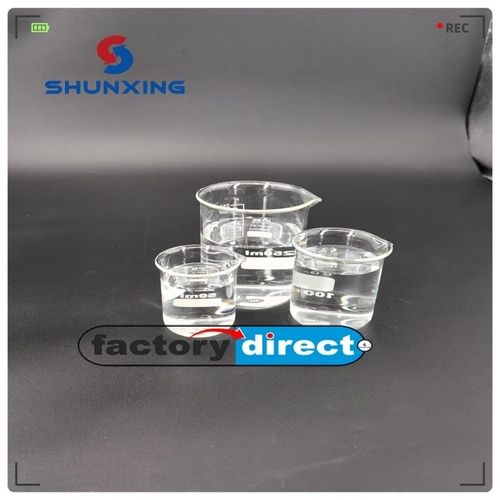
Price 1000 USD ($) / Metric Ton
Minimum Order Quantity : 18 Tons
Usage : 1. Dimethyl sulfoxide (DMSO) has a wide range of uses. Various drugs are dissolved in dimethyl sulfoxide, which can penetrate into the body without oral administration and injection. It can penetrate into the body when it is applied to the skin, which opens up a new way of drug administration. It is to increase the local drug content in the ward and reduce the harm of drugs to other parts of the body. 2. Research shows that unhealthy cells have a protective layer of keratin, which hinders the entry of drugs, and dimethyl sulfoxide has the ability to dissolve and penetrate keratin, so it can improve the efficacy of drugs. The Beijing Institute of Materia Medica has carried out experiments and achieved good curative effect.
CAS No : 67685
Form : Liquid
Purity : 99.99%



 Send Inquiry


 Send Inquiry